
For most people, general anesthesia is associated with a simple idea: the patient falls asleep, surgeons perform the procedure, and everything is over before the person feels or remembers anything. Modern medicine has made this process so routine that millions of surgeries are carried out every year without major complications related to consciousness during the operation.
Yet there is a rare and medically documented phenomenon that continues to fascinate and frighten people around the world. Known as intraoperative awareness, or “anesthesia awareness,” it refers to situations in which a patient becomes partially conscious during surgery performed under general anesthesia.
For some individuals, the experience leaves little or no lasting memory. Others recall hearing voices, sensing pressure, or realizing they could not move. In the most severe cases reported publicly, patients later developed symptoms similar to post-traumatic stress disorder.
Although the condition is uncommon, it has been studied extensively for decades, and several highly publicized cases pushed hospitals and anesthesiologists to improve monitoring systems and safety protocols.
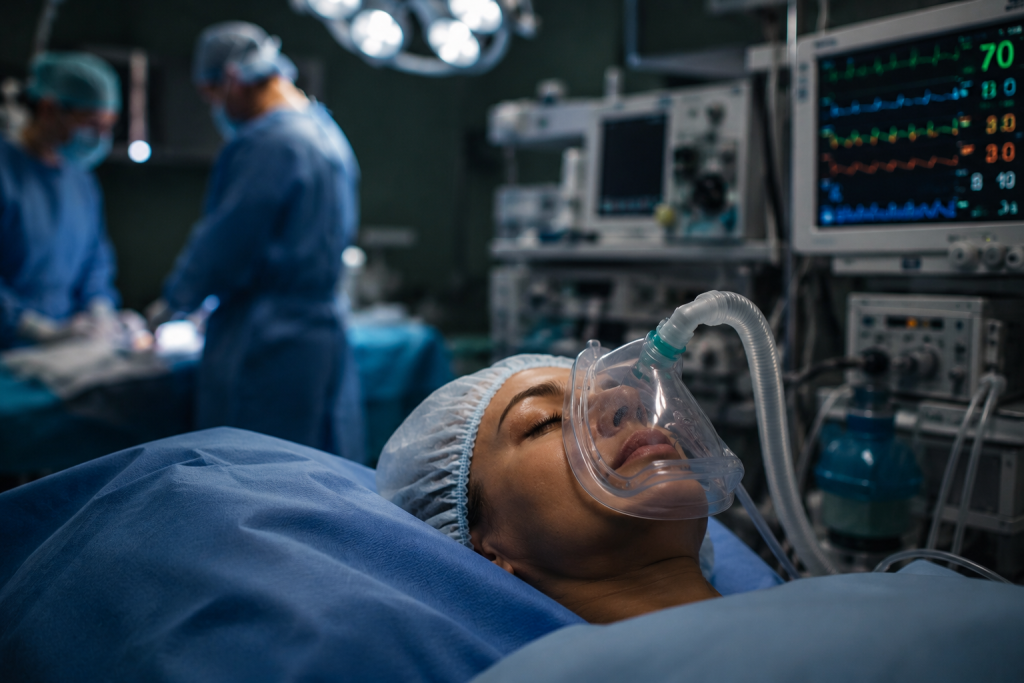
General anesthesia is more complex than most people realize
Many people imagine anesthesia as a form of deep sleep, but medically it is far more complicated. During general anesthesia, doctors use combinations of drugs designed to create several effects at once: unconsciousness, pain control, memory suppression, and sometimes temporary muscle paralysis.
Throughout surgery, patients are continuously monitored through blood pressure, oxygen levels, heart rate, breathing patterns, and other vital signs. Modern anesthesia is carefully controlled, but the human body can respond differently depending on age, medical conditions, medications, trauma, or the complexity of the procedure.
In some operations, anesthesiologists also administer neuromuscular blocking agents, medications that prevent the body from moving during surgery. This detail is what makes intraoperative awareness particularly disturbing. If consciousness returns unexpectedly while muscle paralysis is still active, a patient may be unable to speak, move, or signal that they are awake.
How often does it happen?
Researchers estimate that intraoperative awareness occurs in roughly one or two cases per thousand general anesthesia procedures, although the numbers vary depending on the type of surgery and the methods used in studies.
The risk may increase during:
- emergency operations;
- major cardiac surgery;
- severe trauma cases;
- certain high-risk cesarean sections;
- situations where doctors intentionally reduce anesthetic doses to protect the patient’s blood pressure or heart function.
Most surgeries are completed without any awareness at all, but the existence of even rare cases has led to major discussions in medicine about monitoring consciousness more accurately during anesthesia.
What do patients remember?
The reported experiences vary significantly.
Some patients later describe hearing conversations in the operating room or recognizing the sound of surgical instruments. Others remember pressure, difficulty breathing because of the breathing tube, or the terrifying sensation of being unable to move.
A smaller number report pain combined with complete paralysis, which many specialists consider one of the most psychologically traumatic aspects of anesthesia awareness.
Medical researchers note that memories formed during these episodes are often fragmented. Because the brain is still affected by anesthetic drugs, recollections may appear incomplete, dreamlike, or difficult to organize chronologically.
The case of Sherman Sizemore became one of the most widely discussed examples
One of the most publicly known cases involved Sherman Sizemore Jr., a 73-year-old Baptist minister from the United States.
In January 2006, he underwent exploratory abdominal surgery after suffering severe abdominal pain. According to allegations later presented in a lawsuit filed by his family, Sizemore may have become conscious during part of the operation before anesthesia had been properly administered.
Following the procedure, relatives reported dramatic psychological changes. Public reports connected the case to severe anxiety, insomnia, nightmares, panic attacks, and an intense fear of being buried alive.
Roughly two weeks after the surgery, Sherman Sizemore died by suicide.
The case received international attention because it became associated with the emotional consequences that anesthesia awareness may cause in rare circumstances. However, many details publicly repeated online originated from legal allegations and media reports rather than a final court ruling. The lawsuit was eventually resolved through a confidential settlement, meaning some aspects of the case remain uncertain in the public record.
Even so, the story played a major role in increasing awareness about the psychological impact patients may experience after suspected intraoperative consciousness.
Why does anesthesia awareness happen?
There is no single explanation.
In some situations, the anesthetic dose may be insufficient for the patient’s physiology. In others, the body metabolizes medications differently than expected. Certain emergency procedures force doctors to balance anesthesia depth against life-threatening cardiovascular risks.
Researchers have also identified factors associated with higher risk, including:
- chronic alcohol use;
- long-term use of sedatives or opioids;
- severe obesity;
- prolonged surgeries;
- emergency trauma operations;
- equipment malfunction or medication delivery problems.
Despite these risks, modern anesthesia remains dramatically safer than it was decades ago. Advances in monitoring technology, medication delivery systems, and brain activity analysis have significantly reduced the likelihood of awareness during surgery.
How medicine changed because of these cases
Publicized incidents of intraoperative awareness led professional medical organizations to create more detailed safety recommendations and postoperative evaluation protocols.
Today, anesthesiologists are encouraged to:
- carefully review patient history before surgery;
- verify anesthesia equipment repeatedly;
- monitor vital signs continuously;
- investigate any postoperative reports suggesting awareness during surgery.
Some hospitals also use brain-monitoring technologies designed to estimate the depth of anesthesia more precisely, especially in high-risk procedures.
Psychological support has also become increasingly important. Studies suggest that patients who receive early counseling and clear medical explanations after suspected anesthesia awareness may have a lower risk of developing long-term trauma symptoms.
Why the subject continues to frighten people
Fear of waking up during surgery remains one of the most common anxieties associated with medical procedures. The idea of being conscious while unable to communicate touches a deep human fear connected to helplessness and loss of control.
At the same time, specialists repeatedly emphasize that intraoperative awareness is rare and that the overwhelming majority of surgeries under general anesthesia are completed safely without this complication.
Still, the existence of documented cases changed modern anesthesiology permanently. These experiences forced the medical community to take patient reports more seriously and accelerated the development of safer monitoring systems around the world.
Intraoperative awareness (“anesthesia awareness”) remains one of the most unusual and unsettling phenomena linked to modern medicine because it exists at the fragile intersection of consciousness, memory, and survival.