
For many travelers, the idea of bringing bed bugs home from a vacation sounds like something rare or exaggerated. Yet pest control companies and public health agencies around the world have repeatedly warned that modern travel has become one of the main ways these insects spread from one city to another.
What surprises most people is that bed bugs are not linked exclusively to dirty places or neglected hotels. Infestations have been reported in luxury resorts, high-end apartments, airports, cruise ships, trains, and even newly renovated accommodations. A spotless-looking room can still hide a problem that remains invisible until guests begin noticing bites days later.
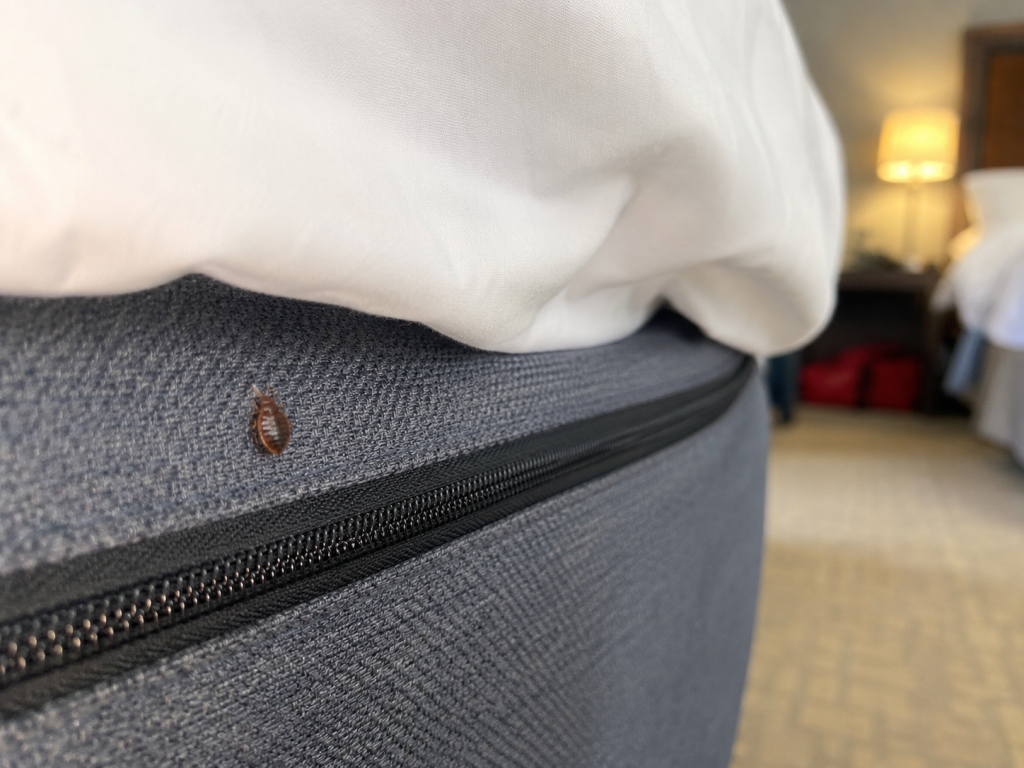
The common bed bug, scientifically known as Cimex lectularius, survives by feeding on blood, usually during the night while people sleep. These insects are small, flat, and extremely good at hiding inside mattress seams, furniture joints, luggage compartments, and folded fabrics. Because they do not fly or jump, they spread mainly by hitchhiking unnoticed in personal belongings.
Why Travel Has Helped Bed Bugs Return Worldwide
Entomologists and environmental agencies have noted a significant resurgence of bed bugs over the past two decades. Increased international travel, dense urban tourism, and growing insecticide resistance are considered some of the main reasons behind the global rise in infestations.
Large cities that receive millions of tourists every year have repeatedly dealt with public concern over bed bug outbreaks. In 2023, for example, reports and videos from Paris drew international attention after insects were allegedly spotted in hotels, trains, cinemas, and public transportation. Similar warnings have periodically appeared in cities such as New York, London, Toronto, and Sydney.
Experts emphasize that bed bugs are opportunistic travelers. They do not care whether a room is expensive or cheap. If people frequently move through a location carrying bags, clothing, and fabrics, the insects have an opportunity to spread.
The First Mistake Many Travelers Make in Hotel Rooms
One of the most common habits after arriving at a hotel is placing luggage directly on the bed, carpet, or upholstered furniture. Pest specialists often advise against this until the room has been inspected briefly.
The areas most commonly checked include:
- mattress seams and corners;
- the headboard area;
- folds in upholstered chairs or couches;
- cracks near the bed frame;
- behind nightstands or wall-mounted decorations.
Visible signs may include tiny dark spots, shed insect skins, small reddish stains on bedding, or the insects themselves hiding in narrow spaces. Adult bed bugs are usually about the size of an apple seed, although younger ones can be much smaller and harder to notice.
A single suspicious mark does not automatically confirm an infestation, but multiple signs clustered around sleeping areas should be treated seriously.
Where Experts Recommend Keeping Your Suitcase
Many travelers are unaware that the luggage rack provided in hotel rooms is not just decorative. Metal luggage stands placed away from the bed are often considered safer than leaving bags on fabric-covered surfaces or directly on the floor.
Some experienced travelers also keep clothes inside sealed packing cubes or plastic storage bags during the trip. Separating worn clothes from clean ones can reduce the chances of insects hiding between fabrics.
Bed bugs are especially attracted to areas close to sleeping humans because body heat and carbon dioxide help them locate hosts at night. Keeping luggage farther from beds and upholstered furniture may reduce the risk of accidental transport.
Why People Often Discover the Problem Only After Returning Home
One of the reasons bed bugs spread so successfully is that many infestations remain unnoticed in the beginning. Some people develop visible skin reactions quickly, while others may show little or no reaction at all.
Bites are sometimes described as appearing in clusters or lines, but dermatologists warn that skin reactions alone cannot confirm bed bugs with certainty. Mosquitoes, allergies, fleas, and other insects can produce similar marks.
In many cases, travelers realize something is wrong only days later, after unpacking at home and beginning to notice repeated bites during the night.
What Specialists Suggest Doing After a Trip
Pest control experts often recommend avoiding the immediate placement of luggage on beds or sofas after returning home. Instead, bags can be unpacked in easier-to-clean areas such as tiled floors, laundry rooms, or entryways.
Clothing worn during travel is usually recommended for washing and drying at higher temperatures whenever possible. Research has shown that prolonged exposure to sufficient heat can kill bed bugs and their eggs at multiple life stages.
Suitcases themselves should also be checked carefully, especially around zippers, inner folds, and stitched areas. Some people vacuum luggage thoroughly or use steam-cleaning methods because bed bugs are highly sensitive to extreme heat.
Why Bed Bugs Are So Difficult to Eliminate Once Established
One of the biggest challenges with bed bugs is their ability to remain hidden for long periods. Under certain conditions, adults can survive for months without feeding, which makes infestations difficult to control using simple DIY methods alone.
Females may lay hundreds of eggs during their lifespan, and the insects can spread into wall cracks, electrical outlets, furniture joints, and nearby rooms. Because of this, specialists often caution against excessive random insecticide spraying, which can sometimes scatter the infestation instead of removing it.
Professional extermination frequently combines several approaches, including heat treatment, targeted insecticides, monitoring traps, and repeated inspections.
The Social Stigma Around Bed Bugs Still Prevents Many People From Talking About Them
Another reason infestations continue spreading is the embarrassment associated with them. Many people still wrongly associate bed bugs with poor hygiene or neglect, even though experts have repeatedly clarified that cleanliness alone does not prevent infestations.
As a result, some travelers hesitate to report suspicious hotel rooms or warn others after discovering a problem. Pest control professionals say this silence can unintentionally allow infestations to spread further through shared accommodations and transportation systems.
The Precautions That Can Make a Real Difference
No method offers absolute protection while traveling, especially in places with heavy tourist traffic. However, specialists agree that a few simple habits can significantly lower the chances of bringing bed bugs home:
- inspecting sleeping areas before unpacking;
- keeping luggage away from beds and upholstered furniture;
- storing clothes in sealed organizers;
- washing travel clothes promptly after returning home;
- checking suitcases carefully before storing them.
For most travelers, these small precautions may seem excessive until they experience how difficult and stressful a home infestation can become. In many situations, avoiding a problem starts with noticing details people usually ignore during the excitement of a vacation.