
At a time when social media is filled with carefully edited photos, filters, and perfectly rehearsed expressions, one young woman from Auckland, New Zealand, drew attention for the exact opposite reason. Tayla Clement, a content creator and disability awareness advocate, became widely known online after openly sharing what life is like with Moebius syndrome, a rare neurological condition that affects facial movement and facial expressions.
For many people discovering her videos for the first time, the first thing they notice is that she cannot smile in the conventional way most people do. Behind that detail, however, is a rare medical condition that many had never heard of before she began talking publicly about her experience.
What Is Moebius Syndrome
Moebius syndrome is a rare congenital neurological disorder that is present from birth. The condition primarily affects the cranial nerves responsible for facial expression and side-to-side eye movement. In most cases, the facial nerve and the abducens nerve are involved, which can leave a person unable to smile, frown, or fully move certain parts of the face.
Medical organizations and researchers describe the condition as extremely uncommon, with estimates varying from country to country because of differences in diagnosis and reporting. Since it is so rare, many people spend their entire lives without ever hearing about it unless they encounter a real-life case or awareness campaign.
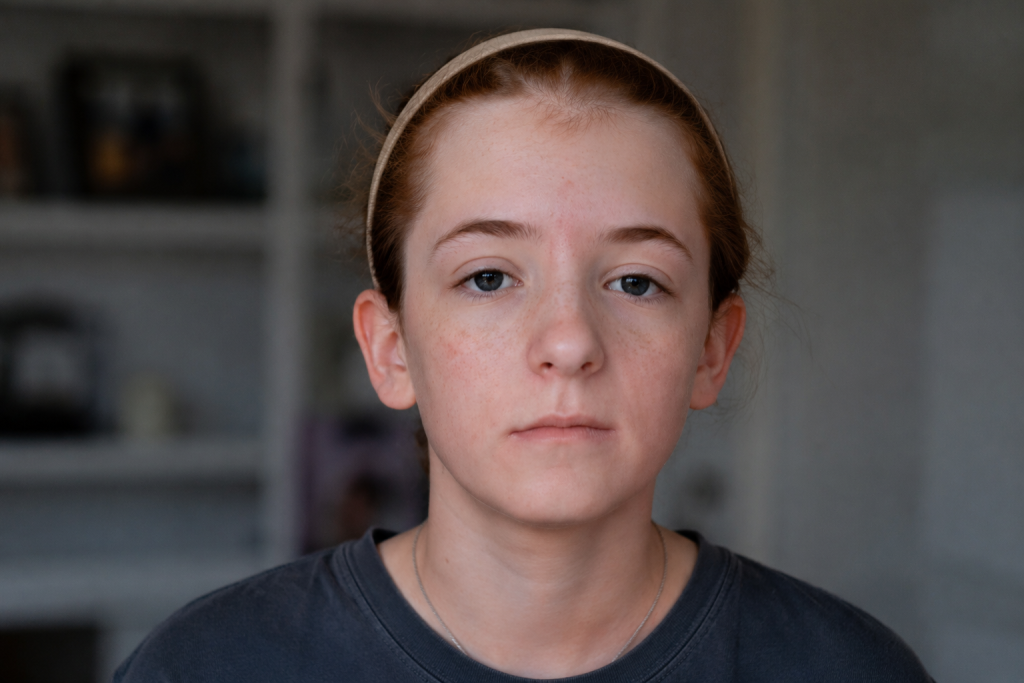
The severity of the syndrome can vary significantly. Some individuals experience only partial facial paralysis, while others may also struggle with speech, feeding, blinking, eye coordination, or orthopedic complications. In more complex cases, children diagnosed with Moebius syndrome may require medical support and therapy from a very early age.
Growing Up With a Rare Condition
Tayla Clement was born and raised in Auckland and was diagnosed with the condition during childhood. In interviews with New Zealand media outlets, she explained that school years were often emotionally difficult because her appearance and facial paralysis made her a target for bullying and unwanted attention.
She has spoken openly about how many people misunderstood her facial expressions, assuming she was unhappy, unfriendly, or emotionally detached when that was far from reality. People with Moebius syndrome experience emotions normally, but their faces may not display those emotions in the expected way.
According to Tayla, constantly feeling watched or judged affected her confidence during adolescence. Everyday social interactions sometimes became emotionally exhausting because strangers often reacted to her appearance before getting to know her personality.
The Surgeries and Attempts to Create a Smile
As a child, Tayla also underwent procedures intended to improve facial movement. Some people with Moebius syndrome choose reconstructive operations sometimes referred to as “smile surgeries.” These highly specialized procedures may involve muscle transfers and nerve grafting designed to help create limited smiling ability.
Outcomes differ greatly from patient to patient. Tayla later explained publicly that the surgery did not produce the result she had hoped for. Rather than hiding that experience, she eventually decided to discuss it honestly online, showing followers that medical treatments do not always lead to dramatic transformations or perfect outcomes.
Doctors currently consider Moebius syndrome a lifelong condition without a definitive cure. Treatment usually focuses on supportive care, therapy, and individualized medical management. Depending on symptoms, patients may work with neurologists, ophthalmologists, surgeons, speech therapists, and rehabilitation specialists throughout their lives.
How She Became Known Online
Years later, Tayla Clement began posting videos on TikTok and Instagram where she answered questions about facial paralysis and daily life with Moebius syndrome. Instead of avoiding attention, she used social media to educate viewers about a condition most people had never encountered before.
Many of her videos quickly gained traction because viewers were curious about facial expressions, smiling, and communication. Rather than reacting negatively to those questions, Tayla often responded calmly and directly, explaining the neurological aspects of the disorder and the misconceptions surrounding it.
Over time, her audience grew significantly. Thousands of followers said her content helped them better understand facial paralysis and the emotional impact of being constantly judged for visible differences.
Her growing popularity eventually led to interviews, awareness campaigns, and collaborations connected to disability inclusion and representation in media.
The Psychological Impact of Facial Paralysis
Psychologists and neurologists have long emphasized how important facial expressions are in human communication. People naturally interpret emotions through small visual signals such as smiles, eyebrow movement, or subtle changes around the mouth and eyes.
For individuals living with facial paralysis, that nonverbal communication can become far more complicated. Studies involving facial paralysis patients have shown that many experience social anxiety, isolation, or stigma because others misinterpret their emotional reactions.
Tayla has frequently discussed this issue in interviews, explaining that many people wrongly assume someone without typical facial expressions lacks empathy, emotion, or warmth. In reality, the emotional experience is still fully present even if the face cannot physically reflect it in the same way.
Building a Career Beyond Awareness Content
In addition to social media work, Tayla Clement has also been involved in digital media and sports-related projects in New Zealand, including rugby content and online presenting. She has collaborated with organizations focused on diversity and the representation of people with disabilities in entertainment and advertising.
In several public appearances, she explained that one of her goals is to normalize visible differences so that people with facial paralysis or rare conditions are no longer treated as shocking exceptions, but simply as individuals deserving the same respect and opportunities as everyone else.
Her story has become an example of how social media can sometimes be used not only for entertainment, but also for education, awareness, and changing public perceptions.
Why More People Are Hearing About Moebius Syndrome Today
Before the rise of social media platforms, many people living with rare conditions remained largely invisible to the broader public. Today, creators like Tayla Clement are helping change that simply by speaking openly about their experiences.
For many viewers, her videos are not only about a neurological condition, but also about bullying, social pressure, unrealistic beauty standards, and the way society reacts to physical differences.
Medical textbooks may describe Moebius syndrome through affected nerves and clinical symptoms, but the daily reality for those living with it involves much more than a diagnosis. That human side of the story is one reason why Tayla Clement’s journey continues to resonate with so many people around the world.