
At first glance, the entrance to Keyhole Cave doesn’t look especially intimidating. It’s a modest opening in the rock, much like countless others scattered across the southern United States. Nothing about it hints at the maze of narrow passages waiting underground, where, in some places, moving forward means squeezing through spaces barely wide enough for a person.
In 1989, a group of experienced cavers entered the cave for what they believed would be another routine exploration. They weren’t thrill-seekers chasing internet fame or inexperienced adventurers looking for excitement. They knew the cave, trusted their skills, and expected to be home before the day was over.
What they couldn’t see was that a storm was already changing everything above ground.
The Greatest Danger Wasn’t Inside the Cave
When most people think about cave accidents, they imagine collapsing rocks or someone becoming trapped between walls of stone.
Veteran cavers often fear something else entirely: water.
A heavy storm several miles away can send enormous amounts of water rushing through an underground cave system. Because many passages are so narrow, the water has nowhere to spread out. Instead, it surges through the tunnels with incredible force, turning familiar routes into deadly flood channels within minutes.
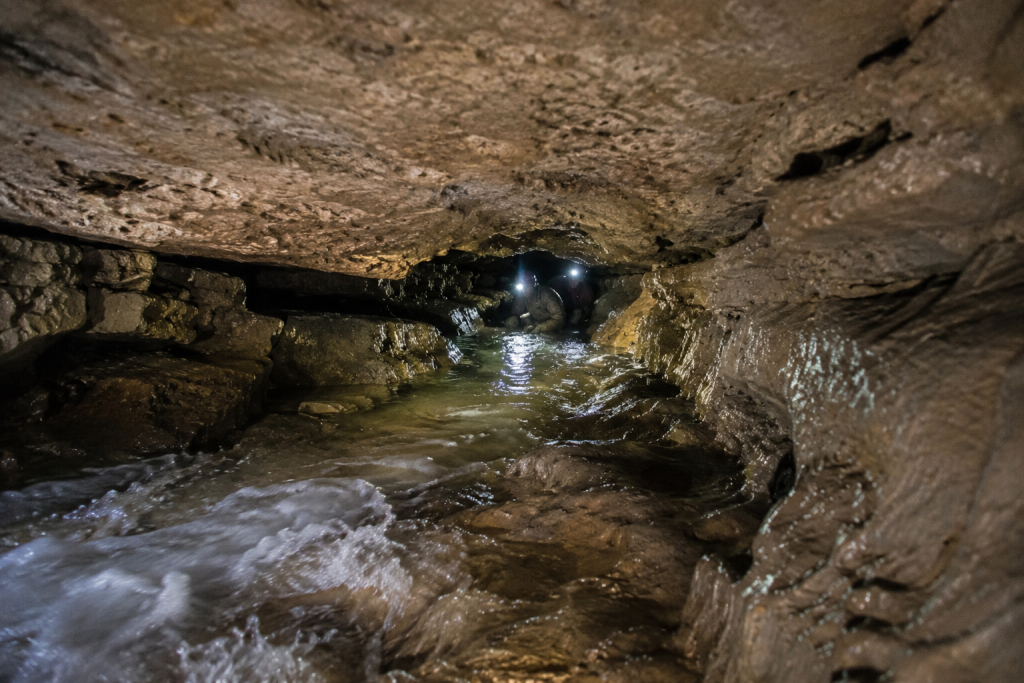
That is exactly what happened inside Keyhole Cave.
While the group was deep underground, torrential rain triggered a flash flood that swept through the cave’s passages, cutting off escape routes far faster than anyone expected.
An Exploration Became a Fight to Stay Alive
Passages that had been easy to navigate only a short time earlier suddenly became impassable.
Some members of the group managed to reach higher ground, hoping the water would stop rising. Others found themselves trapped in sections so narrow that even changing position became almost impossible.
Underground, time feels different. There is no daylight, no sense of whether hours or minutes have passed. All that remains is darkness, cold, and the relentless sound of moving water growing closer.
For those trapped inside, every minute mattered.
A Rescue Unlike Any Other
Once authorities realized people were stranded inside the cave, a massive rescue effort began.
The challenge, however, was unlike a typical emergency response. Rescuers had to crawl through the same tight passages as the trapped cavers, often moving one person at a time while carrying essential equipment by hand.
There were no shortcuts, no heavy machinery, and no way to rush.
Despite the determination of the rescue teams, two members of the expedition lost their lives before help could reach them. The tragedy became one of the most well-known cave accidents in American caving history.
The Story Behind Craig Wolfe
One name that frequently appears in online videos about the disaster is Craig Wolfe, one of the survivors.
Many social media posts claim that one of his legs turned black after being trapped for hours in an awkward position. While reports indicate that he suffered serious circulation problems caused by prolonged compression, many of the dramatic details shared online have never been confirmed by official accounts and have become increasingly exaggerated over time.
Like many stories that spread across social media, the real events have gradually become mixed with speculation and sensational claims.
Why Cave Floods Are So Dangerous
Unlike floods on the surface, flash floods inside caves leave very few options for escape.
Rescue vehicles cannot enter. Heavy equipment is useless in passages barely wide enough for a single person. In some places, even a stretcher won’t fit.
Every rescue depends entirely on people moving carefully through confined spaces, often for hours at a time.
For that reason, experienced cavers pay close attention to weather forecasts before every expedition. A storm many miles away can be just as dangerous as one directly overhead.
A Tragedy That Still Serves as a Warning
More than three decades later, the Keyhole Cave disaster is still discussed within the caving community as a reminder of how quickly conditions underground can change.
On social media, the story is often reduced to dramatic headlines and shocking clips designed to capture attention. The reality, however, is far more sobering.
It is the story of experienced explorers who entered a cave expecting an ordinary day of exploration, only to discover that nature can become unpredictable in a matter of minutes. Their experience remains a powerful reminder that underground, preparation and experience reduce risk—but they can never eliminate it completely.