
On July 8, 2017, inside a quiet church in Ireland, a man knelt before the altar as he prepared to become a Roman Catholic priest. It was the culmination of years of study, reflection, and spiritual formation.
To those attending the ceremony, it was a deeply meaningful religious occasion.
To football fans, however, it was something almost unimaginable.
The man about to be ordained had once been a professional footballer. He had trained under Sir Alex Ferguson, worn the Manchester United shirt, represented Northern Ireland on the international stage, and spent years competing in English football.
His name is Philip Mulryne, and his life has become one of the most unusual stories in modern sport—not because he failed as a footballer, but because he willingly chose a completely different path after experiencing the game at its highest levels.
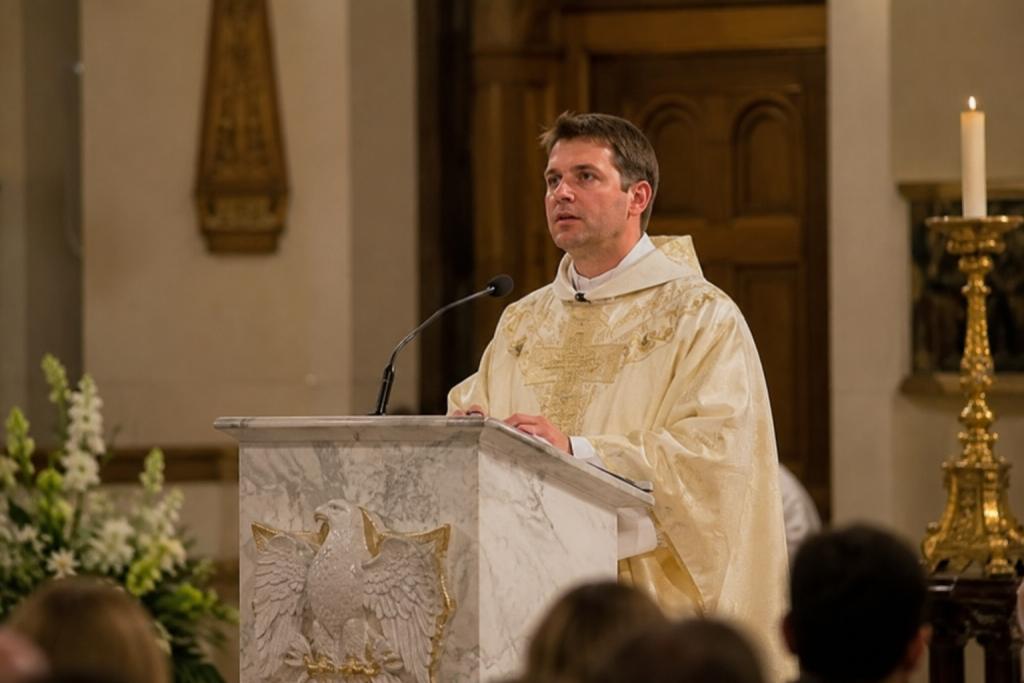
A young player with a dream
Growing up in Belfast, Northern Ireland, football quickly became more than just a hobby for Philip Mulryne. Like countless children, he dreamed of reaching the professional game, but unlike most, he had the talent to make that dream a reality.
His ability caught the attention of Manchester United, one of the biggest clubs in world football. For a teenager in the 1990s, joining the club’s academy was an extraordinary opportunity.
At the time, Sir Alex Ferguson was building a team that would dominate English football for years. Competition was relentless, and every training session demanded excellence. Breaking into the first team required not only talent but also remarkable determination.
Mulryne made his senior debut, but with so many elite players competing for places, establishing himself at Old Trafford was never going to be easy.
Building a respected professional career
Rather than disappearing from the game, Mulryne continued his career elsewhere, most notably with Norwich City, where he became a familiar face to supporters.
He also earned 27 international caps for Northern Ireland, representing his country against some of Europe’s strongest teams.
By almost any measure, he had achieved what millions of aspiring footballers never do. He played professionally, earned a living from the sport he loved, and experienced the unique atmosphere of stadiums filled with passionate fans.
From the outside, his life appeared successful.
Yet success and personal fulfilment are not always the same thing.
Looking for something football couldn’t provide
After retiring in 2008, Mulryne began asking himself questions that had little to do with football.
In interviews over the years, he has explained that although he appreciated his career, he increasingly felt drawn toward a deeper spiritual life. The excitement of professional sport no longer answered the questions that mattered most to him.
This wasn’t the result of a sudden life-changing event or a dramatic crisis.
Instead, it was a gradual journey that unfolded over many years, as his Catholic faith became central to the direction he wanted his life to take.
A decision few expected
Most former professional footballers remain connected to the sport.
Some become coaches. Others work in television, scouting, or football administration. Their experience naturally opens those doors.
Mulryne chose something entirely different.
He entered the Dominican Order, beginning a demanding period of religious formation focused on philosophy, theology, prayer, and community life.
It was a striking contrast to the world he had left behind.
Professional football revolves around performance, competition, media attention, and constant travel. Life in a religious order follows a quieter rhythm, centred on study, service, contemplation, and faith.
Becoming a priest was a long journey
Many online posts create the impression that Philip Mulryne retired from football and almost immediately became a priest.
The reality is far more complex.
Ordination in the Catholic Church requires years of preparation, academic study, spiritual development, and careful discernment.
Mulryne dedicated nearly a decade to that process before being ordained a Roman Catholic priest in 2017.
For him, it was not an escape from football but the beginning of what he believed was his true vocation.
Redefining what success means
Philip Mulryne’s story isn’t about rejecting football or claiming that fame and financial success have no value.
Instead, it reminds us that achievement looks different for different people.
For some, fulfilment comes through family, business, science, or creative work. For others, it comes through serving their community or following a spiritual calling.
His decision stands out because it was made freely. He wasn’t forced away from football by injury, scandal, or financial hardship. He simply came to believe that the next chapter of his life belonged somewhere else.
More than an unusual career change
Today, Philip Mulryne is often mentioned whenever people discuss the most unexpected career changes in professional sport.
What makes his story memorable isn’t that he once played football and later became a priest.
It’s that he reached a level of success many spend a lifetime chasing, only to discover that success alone wasn’t enough to define the life he wanted to live.
Years after leaving the stadiums behind, the cheers of thousands have been replaced by the quiet rhythm of parish life and ministry.
Whether people share his religious beliefs or not, his journey offers a powerful reminder that the greatest turning points in life are not always driven by ambition. Sometimes they begin with the courage to follow a path that few others would ever choose.