
Scroll through social media for a few minutes and you’re likely to come across videos of people repeatedly slapping their calves while claiming it can improve circulation, eliminate emotional trauma, stop leg cramps, and even transform overall health.
The explanation often sounds convincing. According to many creators, your calves act as a “second heart,” so stimulating them is supposed to boost blood flow throughout the body.
There is a small grain of truth behind that statement—but many of the extraordinary health claims go far beyond what science actually supports.
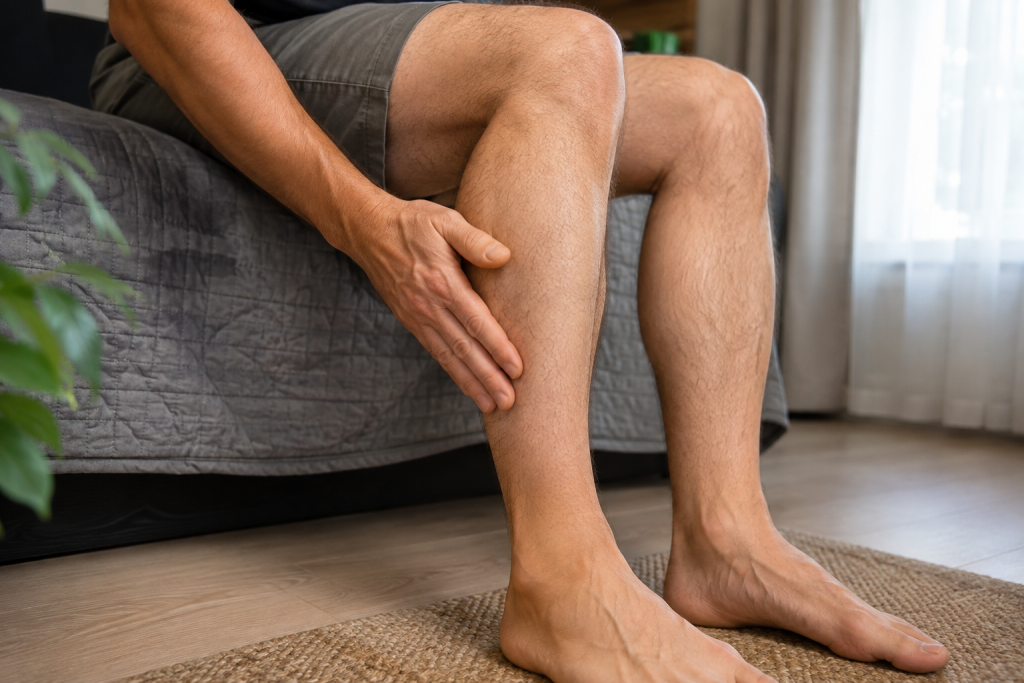
Why Are the Calves Called the “Second Heart”?
The phrase isn’t just internet jargon. It comes from a real physiological function of the calf muscles.
When you walk, climb stairs, or rise onto your toes, your calf muscles contract and squeeze the deep veins inside your legs. Tiny one-way valves in those veins prevent blood from flowing backward, allowing each muscle contraction to push blood upward toward the heart.
Because the legs sit below the heart, gravity naturally makes this return journey more difficult. The calf muscles help overcome that challenge, which is why they are sometimes referred to as the body’s “second heart.”
This muscle pump is one reason doctors encourage patients to get moving after surgery, recommend walking during long flights, and advise people with sedentary jobs to avoid sitting still for hours at a time.
Does Slapping Your Calves Activate This Muscle Pump?
Not really.
The calf muscle pump works because the muscles actively contract during movement. Simply hitting the outside of the leg doesn’t recreate that mechanism.
Slapping or tapping the skin may briefly increase blood flow near the surface due to local irritation, causing temporary redness or warmth. However, this is very different from improving the circulation of blood returning through the deep veins.
At present, there is no strong scientific evidence showing that repeatedly slapping the calves significantly improves venous circulation, supports cardiovascular health, or produces the same benefits as walking or exercising.
If your goal is healthier circulation, a short walk is far more effective than several minutes of hitting your legs.
What About Massage Guns and Percussion Therapy?
The viral trend sometimes borrows language from percussion therapy, leading people to assume they’re essentially doing the same thing.
They are not.
Percussion massage devices have been studied primarily for sports recovery. Some research suggests they may temporarily reduce muscle soreness, improve flexibility, or increase comfort after exercise.
However, even these professionally designed devices have not been shown to dramatically improve circulation throughout the body or cure medical conditions.
Using your hands to repeatedly slap your calves has even less scientific support.
Can Trauma Be “Stored” in the Muscles?
Perhaps the boldest claim made in many videos is that slapping the calves helps release emotional trauma trapped inside the body.
Stress and traumatic experiences certainly affect the body. They can influence muscle tension, breathing patterns, heart rate, sleep quality, and hormone levels.
But modern medicine does not view trauma as something physically stored inside a specific muscle waiting to be released through impact.
Trauma involves complex changes within the brain and nervous system. Evidence-based treatments include psychotherapy, trauma-focused therapies such as EMDR, stress-management techniques, exercise, and, when appropriate, medication.
While some people genuinely feel calmer after massage, stretching, or bodywork, that doesn’t prove emotional trauma has been physically released from the muscles.
Why Do Some People Feel Better Afterwards?
Feeling better doesn’t necessarily validate the explanation behind a technique.
Several factors may contribute.
Physical touch stimulates sensory nerves and can temporarily change how the brain processes discomfort.
Massage and gentle body stimulation often promote relaxation.
Expectation also plays an important role. The placebo effect is a well-established phenomenon in medicine. When people strongly believe that a treatment will help, they may genuinely experience improvements in how they perceive pain, tension, or overall well-being.
These experiences are real—but they don’t confirm the biological claims often made in viral videos.
Does It Prevent Night Cramps?
There is currently no convincing evidence that slapping your calves prevents nighttime leg cramps.
Cramps can result from muscle fatigue, dehydration, nerve disorders, certain medications, pregnancy, or may occur without an obvious cause.
Research provides stronger support for regular stretching, staying hydrated, maintaining physical activity, and seeking medical evaluation when cramps become frequent or severe.
Is It Safe?
For most healthy adults, lightly tapping or massaging the calves is unlikely to cause harm.
However, repeated forceful striking can lead to bruising or soft tissue injury.
People taking blood-thinning medication, those with bleeding disorders, significant varicose veins, deep vein thrombosis, or other vascular conditions should avoid aggressive techniques unless advised otherwise by a healthcare professional.
Pain and bruising should never be interpreted as signs that the body is “healing.”
What Actually Improves Circulation?
If better circulation is your goal, the recommendations supported by medical research remain surprisingly simple.
Regular walking, calf-strengthening exercises, avoiding prolonged sitting, staying hydrated, maintaining a healthy weight, and managing cardiovascular risk factors all contribute to healthier blood flow.
These habits have been studied extensively and consistently outperform quick-fix wellness trends promoted on social media.
The Bottom Line
The idea that the calves function as a “second heart” is rooted in real human physiology. Their muscle contractions play an important role in helping blood return to the heart.
What science does not support is the claim that repeatedly slapping your calves can dramatically improve circulation, release emotional trauma, cure illness, or deliver the remarkable health benefits often promised online.
As with many viral wellness trends, a genuine scientific fact has been stretched into conclusions that current evidence simply doesn’t support. Before adopting any health practice that promises dramatic results with minimal effort, it’s worth asking a simple question: Is the claim backed by quality research, or is it simply designed to go viral?