
An hour when the city isn’t fully awake yet
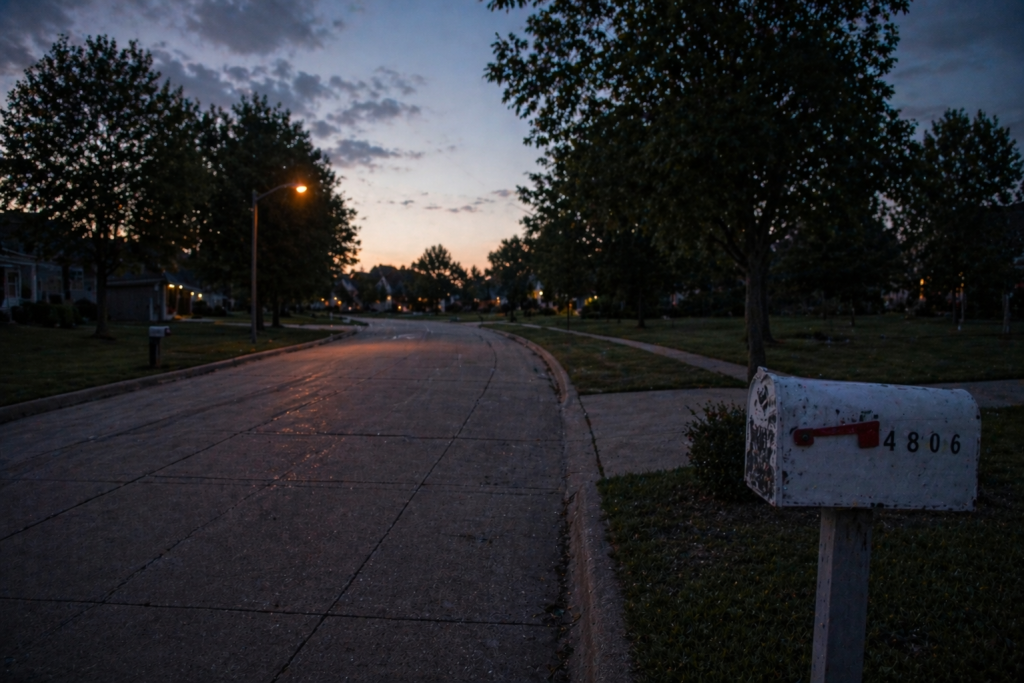
On September 5, 1982, in West Des Moines, it was that in-between hour when the streets are quiet and the day hasn’t really started. The light is soft, most houses are still closed up, and only a few people are out—those whose routines begin earlier than everyone else’s.
Among them were kids delivering newspapers.
Johnny Gosch was 12 years old and doing exactly that. It wasn’t unusual. In many neighborhoods at the time, paper routes were a normal responsibility for kids, something families trusted.
That morning, his mother drove him to the drop-off point where he usually began his route. From there, he was supposed to pick up the papers and continue on his own, just like he had before.
It was the last time she saw him.
Small details that didn’t seem important at the time
Around 6 a.m., Johnny was seen near the area where he started his deliveries. At first glance, nothing stood out.
Later, a witness said they saw a man speaking to him, asking for directions. Someone else mentioned a car moving slowly through the neighborhood. There were a few other scattered observations—small, disconnected details that didn’t raise concern in the moment.
Only afterward did they begin to matter.
This is often how these cases unfold. You learn that something has happened, and then you go back, trying to make sense of moments that once felt completely ordinary.
After that short window of time, Johnny was never seen again.
When the routine stops making sense
At first, there was no immediate panic. Deliveries can be delayed. Kids take shortcuts. Small deviations from routine happen.
But as time passed, things didn’t add up.
When his mother realized the papers hadn’t been delivered and he hadn’t reached the places he was supposed to, she went looking for him. It wasn’t a dramatic realization all at once—more like a growing sense that something was wrong.
She went to the area where he should have been.
He wasn’t there.
That’s when the situation shifted from uncertainty to something much more serious.
The first hours—and a response that would look different today
Police were notified, but the context of the early 1980s was different from what it is now. There weren’t the same protocols for missing children, and cases were sometimes initially treated as possible runaways or temporary absences.
Looking back, that delay in urgency is often seen as something that affected the investigation.
Searches began, the community got involved, but time was already becoming a critical factor.
When the case became national
As days passed without answers, the case grew beyond the local level. It became one of the first child disappearance cases in the United States to receive sustained national media attention.
Johnny’s mother, Noreen Gosch, did not step back. She spoke publicly, pushed for answers, and became a strong advocate for changes in how missing children cases were handled.
What started as a local tragedy began to influence something much larger—how people thought about safety, and how institutions responded when a child disappeared.
Pieces that never fully come together
Over time, the investigation gathered multiple witness accounts. People who saw something, heard something, noticed something unusual that morning.
The challenge wasn’t a complete absence of information. It was that the pieces never formed a single, clear, verifiable sequence.
There were also theories—some widely discussed—but many of them were never officially confirmed. In cases like this, the line between information and speculation becomes increasingly important as years go by.
What we understand beyond this case
Research shows that incidents like this are rare, but their impact is far-reaching. Not because they happen often, but because of where and how they happen.
Early morning. A quiet neighborhood. A familiar routine.
No obvious warning signs.
And that’s what makes them difficult to process.
A story without an ending
Decades have passed, and the case of Johnny Gosch remains officially unsolved. There is no confirmed conclusion, no clear moment when everything is explained.
For the family, that means living with a form of waiting that doesn’t really end.
There is no final point.
Just a morning that started like any other… and a moment after which nothing was the same.