
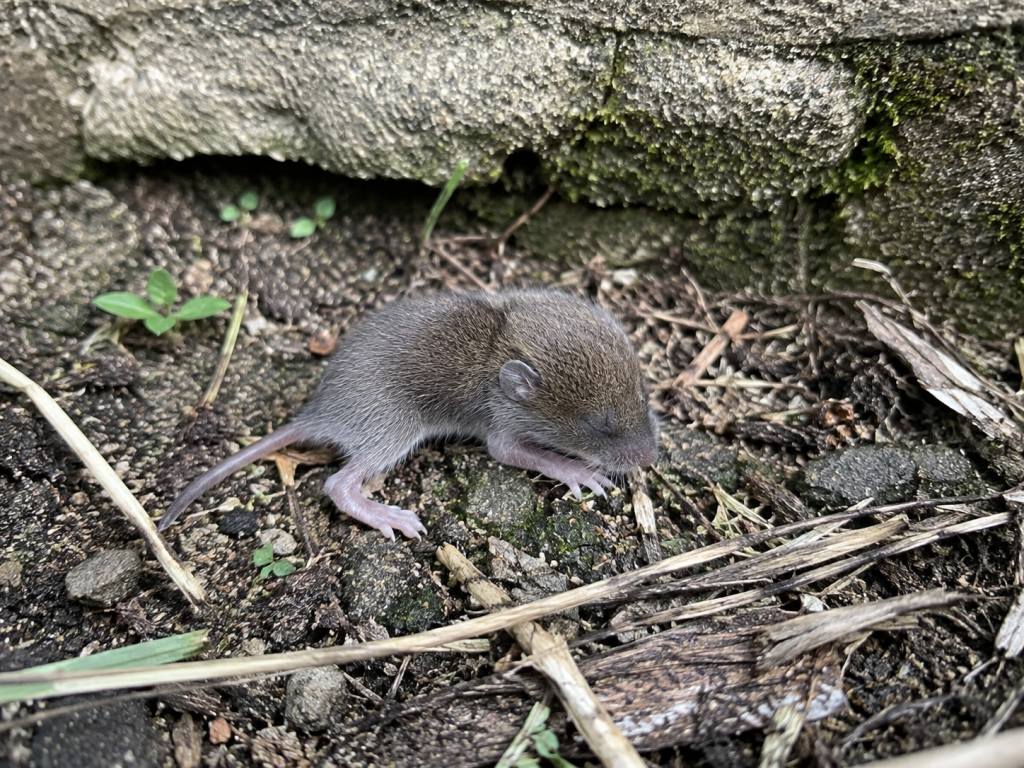
A tiny, nearly hairless animal with its eyes still closed appears on the roof of a parked car. A rabbit no bigger than your hand is tucked into the grass at the edge of a garden. A young bird is hopping awkwardly along the pavement, while a fawn lies motionless in a field with no adult in sight.
The natural reaction is immediate: something must be wrong.
Sometimes that instinct is correct. A young wild animal may be injured, orphaned or in immediate danger, and quick intervention can save its life. But in many other cases, the animal is exactly where it is supposed to be. Its mother may be nearby, waiting for people to leave before returning.
That distinction matters. A well-intentioned rescue can occasionally turn a healthy youngster into a genuine orphan.
The safest response begins not with picking the animal up, but with understanding what you are looking at.
Why wild babies are often left alone
Wild animals do not raise their young in the same way domestic cats and dogs do. In many species, staying close to the babies all day would actually make them easier for predators to find.
Some mothers deliberately spend long periods away from their young. They return only to feed them and then move off again, reducing scent, movement and attention around the hiding place.
This is why a young animal that appears completely alone may still be under parental care.
A doe, for example, may leave her fawn concealed in vegetation for hours at a time. Rabbits also spend surprisingly little time sitting beside their young. Even birds may continue feeding fledglings that have already left the nest and are spending time on the ground.
If a person remains close by, the parent may simply wait.
In many cases, the most helpful first action is therefore to create distance.
Baby animals can turn up in surprisingly ordinary places
Young wildlife is not found only deep in forests. Babies can appear in gardens, parks, parking areas, sheds, attics, balconies, piles of firewood, roadside vegetation and even around cars.
Storms and strong winds can damage nests. Tree pruning can expose squirrel or bird nests. Mowing can uncover a rabbit nest hidden in the lawn. Moving old timber or garden debris can disturb hedgehogs.
Squirrels provide another interesting example. A mother may move her babies from one nest to another if the original site becomes unsafe. She carries them individually, and occasionally one may fall during the process. A very young squirrel found beneath a tree, on a roof or even on a parked vehicle may therefore have been lost during relocation rather than abandoned.
Before moving a baby animal, look at the surroundings. A broken branch, disturbed nest, nearby tree or additional young animals can provide important clues.
What to check before doing anything
The first question is not whether the animal looks lonely. It is whether it is injured or in immediate danger.
Look for bleeding, visible fractures, abnormal limb or wing position, difficulty breathing, severe weakness, inability to move normally, fly eggs or maggots, or obvious signs that the animal has been attacked.
Location matters as well. A baby lying in the middle of a road, trapped in a drain, floating in a swimming pool or exposed to dogs and cats needs a different response from one resting quietly under vegetation.
A dead adult nearby can also be significant, particularly when there is a strong reason to believe it is the parent.
On the other hand, a warm, alert youngster with no obvious injuries and no immediate threat may be best left where it is while the area is monitored from a distance.
There is no universal waiting period that works for every animal. An injured, very cold or barely responsive baby should not be left for hours simply because the parent might return.
If the animal is in danger, move it as little as possible
Sometimes intervention is necessary even when the youngster appears healthy. A fledgling sitting in traffic, for example, may need to be moved to nearby cover. The same applies to a small mammal exposed in a parking area or directly beside machinery.
When possible, move the animal only a short distance to safety rather than transporting it elsewhere.
This is important because parents search in the area where they left or lost their young. Taking the baby several streets away, or driving it to another park, can make reunion impossible.
Once the immediate danger has been removed, keep people, pets and noise away from the area.
What to do if you find a baby squirrel
Very young squirrels can be surprisingly difficult to identify. Before their coat develops and their tail becomes fluffy, they can resemble newborn rats or mice.
A tiny squirrel may have closed eyes, very little fur and a thin tail. If it is uninjured, warm and found near a tree, reunion with the mother is usually preferable to hand-rearing.
The baby can sometimes be placed in a stable, open container lined with soft material close to where it was discovered. The container must remain accessible to the mother and should be protected from direct sun, rain, dogs, cats and traffic.
People should then move well away.
A mother squirrel may not approach while humans are standing nearby, even if she is watching from a tree.
Food and water should not be offered casually while waiting for professional advice. If the baby is injured, cold, covered in parasites, remains unretrieved as conditions worsen, or night is approaching, wildlife rehabilitation advice should be sought.
A young bird on the ground may be perfectly normal
Birds are among the animals most frequently “rescued” unnecessarily.
The key is to distinguish a nestling from a fledgling.
A nestling is very young. It may have bare skin, sparse down or only developing feathers, and it usually cannot perch or move confidently. If an uninjured nestling has fallen from a reachable nest, placing it back is often appropriate.
Human scent does not normally cause parent birds to reject their young.
A fledgling is different. It is already feathered, can stand or hop and may flap its wings without being able to fly well. Spending time outside the nest is a normal stage of development. The parents usually remain nearby and continue feeding it.
Unless a fledgling is injured or in immediate danger, it generally should not be taken home.
If necessary, it can be moved a few metres to a shrub, low branch or safer patch of vegetation while remaining within the parents’ territory.
Baby rabbits are frequently mistaken for orphans
Rabbit nests are remarkably easy to overlook. They may consist of little more than a shallow depression lined with dry grass and fur.
The mother does not usually sit over the nest all day. Remaining nearby would draw attention to the babies, so she typically visits briefly to nurse them and then leaves.
Someone discovering the nest in daylight may therefore see several tiny rabbits with no adult anywhere nearby and reasonably assume that they have been abandoned.
In many cases, they have not.
If the babies are warm, quiet, uninjured and still in their nest, the best approach is generally to leave them alone and keep pets and lawn equipment away.
A young hare or rabbit remaining motionless in vegetation is not necessarily sick either. Freezing in place is one of the ways young animals avoid detection.
A fawn lying alone is usually not waiting to be rescued
Few scenes trigger the rescue instinct more strongly than a young deer lying completely alone.
Yet this can be normal behaviour.
A mother deer may leave her fawn concealed while she feeds elsewhere, returning periodically. The fawn’s job is to remain still and inconspicuous.
A quiet, apparently healthy fawn should therefore not be encouraged to stand, stroked or carried away simply because its mother cannot be seen.
More concerning signs include persistent wandering, following people, repeated distress calls, obvious injury, severe weakness or the presence of a dead female nearby.
Because deer can be difficult and stressful to handle, professional advice is preferable before attempting capture or transport.
What about a baby hedgehog?
Young hedgehogs can also be discovered when garden nests are disturbed.
A small hedgehog active at night may be behaving normally. Concern is greater when a very young animal is found exposed during the day, is cold, weak, wobbling, injured or surrounded by flies.
If a nest has accidentally been uncovered while moving leaves, timber or garden material, disturbing it as little as possible may allow the mother to return once the area becomes quiet again.
An injured hedgehog can be moved using thick gloves or a towel and temporarily placed in a ventilated box while specialist advice is obtained.
Never handle a bat with bare hands
A bat on the ground or unable to fly may be injured, ill or juvenile.
Even when tiny, bats should not be picked up with bare hands. A frightened bat can bite, and the injury may be extremely small.
Children and pets should be kept away. Anyone who may have been bitten, scratched or exposed to bat saliva should seek prompt medical advice because of the potential risk of rabies exposure.
If a bat needs moving, follow guidance from wildlife or public health professionals rather than attempting casual handling.
If a cat has caught it, the absence of blood is not reassuring
A bird or small mammal rescued from a cat’s mouth may look surprisingly normal afterward. It may even begin moving around quickly.
That does not mean it is safe to release.
Tiny puncture wounds can be hidden beneath feathers or fur, and bacteria introduced by a cat bite can cause serious infection. The same concern applies when a young animal has been badly mouthed, shaken or carried by a dog.
Animals caught by pets should receive professional assessment as quickly as possible, even when external injuries look minor.
Do not give milk just because it is a baby mammal
One of the most common mistakes in wildlife rescue is offering cow’s milk.
Milk is not nutritionally interchangeable between species. The proportions of fat, protein, sugars and other nutrients vary substantially, and the wrong milk can cause digestive problems, diarrhea, dehydration and potentially serious complications.
Homemade feeding attempts can be dangerous for another reason: aspiration.
Water, milk or formula given with a syringe or dropper can enter the airways if the animal is too weak, is positioned incorrectly or cannot swallow normally. Fluid in the lungs can lead to severe respiratory complications.
Bread, biscuits, seeds, fruit, meat or pet food are not universal emergency foods either.
A cold baby animal should not simply be fed first. Gentle warming and expert guidance are often the safer priorities.
How to keep an injured youngster safe temporarily
If an animal genuinely needs to be removed from danger, a simple ventilated cardboard box is often preferable to carrying it around in your hands.
The bottom can be lined with soft fabric that has no loose threads capable of trapping claws or toes. The box should be kept somewhere dark, quiet and away from children, pets, television, music and repeated handling.
Gentle warmth can help very young or chilled animals. A warm—not hot—water bottle wrapped in cloth can be placed beneath one side of the box. Heating only part of the container gives the animal the ability to move away from the warmth.
The box must always have adequate ventilation.
This is emergency holding, not long-term care.
Will the mother reject a baby after a human touches it?
This persistent belief has probably prevented many animals from being returned to their parents.
For most birds, handling a fallen chick briefly and returning it to its nest does not cause parental rejection. Similar fears are often exaggerated with mammals as well.
That does not mean wild babies should be handled unnecessarily.
Human contact can cause stress, loss of body heat or accidental injury, and a person standing nearby may prevent the parent from approaching.
Touching should therefore be limited to situations in which it is genuinely useful: removing immediate danger, returning an animal to its nest or preparing it for professional transport.
Why raising wildlife at home is much harder than keeping it alive
Successfully feeding a baby animal for several days is not the same as successfully rehabilitating it.
Young wildlife must develop the behaviours required for life outside captivity. They need to recognise appropriate food, respond to predators, interact with their own species and avoid becoming overly accustomed to humans.
An animal that becomes strongly habituated to people may survive physically but still be poorly prepared for release.
Wildlife rehabilitators are concerned not only with keeping an animal alive but with making eventual release possible.
There may also be legal restrictions on capturing, keeping or raising native wildlife, depending on the species and country.
The aim should therefore be reunification with the parent whenever appropriate, or transfer to qualified wildlife professionals when it is not.
Who can help in Romania?
People who find injured wildlife in Romania can seek advice from wildlife rehabilitation organisations, veterinarians experienced with wild species and relevant environmental authorities.
Among the organisations known for wildlife rescue and rehabilitation are the Wildlife Rehabilitation Centre associated with the Association for the Conservation of Biological Diversity, the Milvus Group Wildlife Rehabilitation Centre and WILDHELP.
Because telephone numbers, intake capacity and operating arrangements can change, current contact details should always be checked on the organisations’ official pages before relying on them.
When requesting help, provide useful information from the beginning: your location, what species you believe you have found, where exactly the animal was discovered, whether it has been attacked by a cat or dog, whether there are visible injuries and whether the animal is warm, alert and mobile.
Clear photographs can be useful for identification, but taking the perfect picture should never delay urgent care for an animal that is bleeding, struggling to breathe or in immediate danger.
Sometimes the best rescue is the one nobody sees
Taking a tiny animal home and bottle-feeding it makes for a powerful rescue story. In real wildlife care, however, the best outcome may look far less dramatic.
It might mean moving a fledgling two metres away from traffic.
It might mean keeping the family cat indoors for the afternoon.
It might mean returning a nestling to its nest, protecting a rabbit nest from the lawn mower or standing far enough away for a mother squirrel to retrieve her baby.
And sometimes it does mean placing an injured animal safely in a box and getting professional help as quickly as possible.
The important part is knowing which situation you are facing.
Compassion matters enormously when an animal is vulnerable, but informed compassion matters even more. Sometimes saving a baby wild animal means intervening without hesitation. Sometimes it means resisting the urge to rescue it at all.