
On what should have been an ordinary afternoon, 15-year-old Pedro Alexander Díaz Franco headed to a local soccer field in Choloma, Honduras, to spend time with friends. It was the kind of routine summer activity countless teenagers enjoy every day without a second thought.
For Pedro, it would be the last time anyone saw him alive.
According to investigators, several armed men arrived at the field, forced the teenager into a vehicle, and disappeared within minutes. His family immediately began searching for him, hoping that he would be found safe.
Instead, less than 24 hours later, authorities made a discovery that shocked the community and quickly spread across social media around the world.
The case has generated countless headlines and online theories, but many of the details circulating on the internet remain unverified. While investigators continue their work, the confirmed facts paint the picture of a tragedy that has left far more questions than answers.
An ordinary teenager with an online following
Before his name appeared in international news reports, Pedro Alexander Díaz Franco was simply a teenager balancing everyday life with a growing presence on social media.
He regularly posted videos and hosted livestreams on TikTok, where he had built a modest audience. Like many young creators, his content reflected ordinary moments rather than fame or controversy.
Away from his phone, he was known as a teenager who enjoyed spending time with friends and playing soccer. Those who followed him online saw someone living a life that looked familiar to millions of young people across the world.
That sense of normalcy makes the events that followed even more difficult to comprehend.
The abduction
Authorities say Pedro was playing soccer in Choloma on July 5, 2026, when several armed individuals approached the field.
Witnesses reported that the attackers had their faces covered and appeared to know exactly who they were looking for. They allegedly forced Pedro into a vehicle before fleeing the area.
The incident unfolded so quickly that those nearby had little opportunity to react.
Within moments, the teenager had vanished.
A family’s desperate search
As the hours passed without any news, Pedro’s relatives turned to social media in hopes that someone had seen him or could provide information about his whereabouts.
His photographs were shared widely across Facebook and other platforms, where members of the local community joined the search efforts.
Like many families facing a disappearance, they held onto the hope that he might still be found alive.
Unfortunately, those hopes would not last long.
A tragic discovery
The following morning, authorities were called to an area near Highway CA-13, close to the municipality of La Lima, after abandoned black garbage bags were discovered.
Inside, investigators found the body of a young male.
Because of the condition of the remains, identification was not immediate. According to reports, forensic specialists later confirmed the victim’s identity with assistance from Pedro’s family, using a previous surgical scar and metal implants in one of his legs.
The confirmation brought an end to the search, but marked the beginning of a homicide investigation that remains ongoing.
What do investigators know?
Despite widespread attention, many of the most important questions remain unanswered.
Authorities have not publicly identified suspects, announced arrests, or revealed a confirmed motive for the killing. Investigators also have not explained why Pedro appears to have been specifically targeted.
As is often the case with high-profile crimes, speculation quickly filled the information vacuum.
Some social media posts claimed his online activity played a role in the crime, while others suggested gang involvement or personal disputes.
At this stage, however, none of those claims have been confirmed by investigators.
Was TikTok connected to the crime?
One of the most common assumptions circulating online is that Pedro’s presence on TikTok somehow led to his death.
There is currently no publicly available evidence supporting that conclusion.
Although his social media accounts received significant attention after news of his death spread, authorities have not stated that his videos, livestreams, or online popularity were connected to the abduction.
Until investigators release additional findings, any claim linking the crime to his TikTok activity remains speculation rather than established fact.
Understanding the broader context
Pedro’s death also drew renewed attention to the security challenges facing parts of Honduras.
For years, the country has struggled with organized crime, extortion, gang violence, and kidnappings. Although official statistics indicate that homicide rates have declined compared with previous years, violence continues to affect many communities.
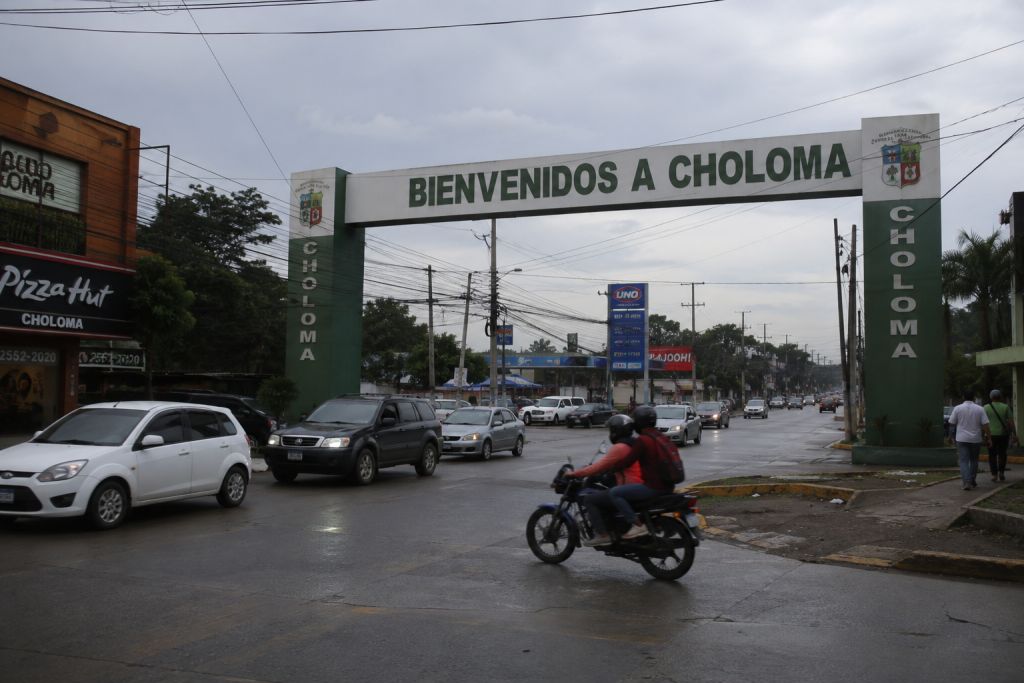
Choloma, one of Honduras’ largest industrial cities, has experienced significant population growth alongside longstanding public security challenges.
That broader context helps explain why crimes of this nature continue to raise serious concerns, but it does not explain why Pedro was targeted or who was responsible.
Those questions remain under investigation.
How social media changed the story
Within hours of authorities confirming Pedro’s identity, his videos began circulating across TikTok, Facebook, and other platforms.
As often happens in highly emotional cases, verified information became mixed with rumors, assumptions, and misleading claims.
Modern social media algorithms reward engagement, meaning dramatic theories often spread much faster than official investigative updates. By the time authorities release confirmed information, millions of users may already have formed opinions based on incomplete or inaccurate reports.
Pedro’s case illustrates how quickly an ongoing criminal investigation can become overshadowed by speculation online.
What has been confirmed—and what hasn’t
Several facts have been established by investigators and reliable news sources.
Pedro Alexander Díaz Franco, 15, disappeared after being abducted from a soccer field in Choloma on July 5, 2026. The following day, his body was found abandoned near Highway CA-13 and later identified by forensic specialists with assistance from his family.
Beyond those confirmed facts, much remains unknown.
Investigators have not publicly identified those responsible, announced a motive, or established any connection between Pedro’s social media activity and the crime.
Until additional evidence is released, separating verified information from online speculation remains essential.
A story that is about more than headlines
For many people around the world, Pedro Alexander Díaz Franco is now another name associated with a tragic news story.
For his family and friends, however, he was a son, a friend, and a teenager who left home to play soccer and never returned.
His death is a reminder of how quickly ordinary lives can be shattered by violence—and of the importance of allowing investigations to follow evidence rather than rumors.
As authorities continue searching for answers, Pedro’s case remains one of the most heartbreaking recent crimes reported in Honduras. Whether investigators ultimately identify those responsible or reveal why he was targeted, one fact will not change: a 15-year-old who should have had his future ahead of him lost his life under circumstances that continue to raise difficult questions.