
Moments before a tactical team enters a building, before a fighter pilot begins a dangerous mission, or before a surgeon makes the first incision, there is often a brief pause. It lasts only a few seconds, yet it reflects years of training. A slow inhale. A controlled exhale. Nothing dramatic, nothing mystical—just a deliberate action that helps the body and mind work together under pressure.
This simple habit has inspired countless viral videos claiming that a “two-minute breathing trick” can erase fear, sharpen focus, and instantly transform anyone into a calm, confident performer. Many of these posts insist that the same technique is used by special forces operators, elite athletes, and top executives.
The reality is far more interesting than the headlines suggest.
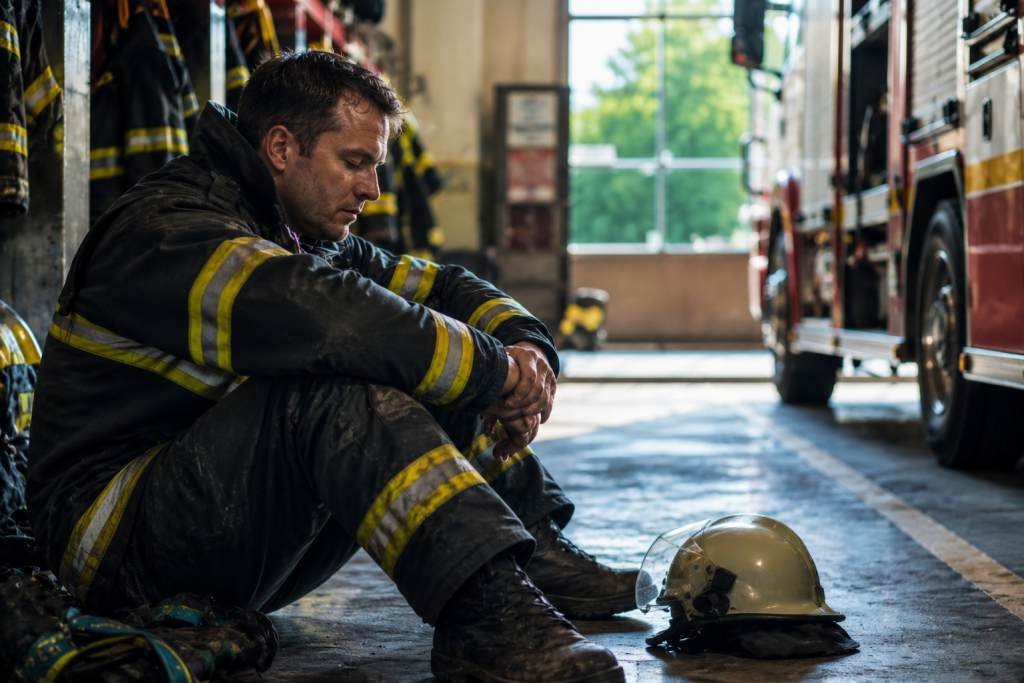
Fear Isn’t the Enemy
People often assume that fearless individuals simply don’t experience fear. Science tells a very different story.
Fear is one of the oldest survival mechanisms humans possess. Long before civilization existed, the ability to react instantly to danger meant the difference between life and death. Our brains still rely on that same system today.
When the brain detects a possible threat, a small structure called the amygdala activates the body’s emergency response. Within seconds, adrenaline is released, heart rate increases, breathing becomes faster, and muscles prepare for action.
This response is incredibly useful when facing genuine danger.
The problem is that the brain doesn’t always distinguish between a charging animal and a stressful presentation at work. Public speaking, exams, job interviews, or major competitions can all trigger nearly identical physiological reactions.
Why Breathing Changes During Stress
One of the first things anxiety affects is breathing.
Instead of taking slow, deep breaths, we begin breathing quickly and shallowly. This isn’t a flaw—it’s part of the body’s natural preparation for action.
The downside is that rapid breathing also reinforces the feeling that something is wrong. The brain interprets those signals as evidence that danger is still present.
Here’s where breathing becomes remarkably powerful.
Unlike most automatic bodily functions, breathing can also be controlled consciously. By intentionally slowing each breath—especially by extending the exhale—we send a different message back to the nervous system: the situation is manageable.
That isn’t motivation or positive thinking.
It’s basic human physiology.
Do Elite Military Units Really Use Breathing Techniques?
Yes—but probably not in the way social media describes.
Military organizations around the world have long incorporated breathing exercises into broader stress-management training. These methods are not secret, nor are they magical.
Among the best-known approaches is box breathing, popularized by former Navy SEAL Mark Divine. The technique involves inhaling for four seconds, holding the breath for four seconds, exhaling for four seconds, and pausing for another four seconds before repeating the cycle.
Other programs teach variations commonly referred to as tactical breathing, designed to help maintain focus during high-pressure situations.
More recently, researchers have also studied the physiological sigh—two quick inhales followed by one long exhale—which appears to reduce acute stress in certain situations.
Although the methods differ, they all share one purpose: helping people regain control over their body’s stress response.
Breathing Doesn’t Eliminate Fear
One of the biggest misconceptions online is that controlled breathing can make fear disappear.
It can’t.
Even experienced military personnel, firefighters, rescue workers, and elite athletes acknowledge that fear never completely goes away.
The difference is that training changes how they respond to it.
Years of repetition allow them to continue making clear decisions even while their bodies are flooded with adrenaline. Breathing techniques support that process by preventing stress from escalating into panic.
In other words, they don’t remove fear—they prevent fear from taking control.
What Happens Inside the Body?
Researchers have spent decades studying the relationship between breathing and the nervous system.
When breathing slows down, especially during longer exhalations, the vagus nerve becomes more active. This helps shift the body away from its “fight-or-flight” state and toward the parasympathetic nervous system—the branch responsible for rest, recovery, and emotional regulation.
As this happens, heart rate gradually slows, blood pressure may decrease slightly, and the brain can devote more attention to decision-making rather than survival.
This is one reason controlled breathing has become part of many fields beyond the military. Athletes, emergency physicians, pilots, therapists, and even musicians use similar techniques before high-pressure performances.
Training Matters More Than Technique
Breathing exercises are valuable, but they are only one piece of a much larger puzzle.
A fighter pilot doesn’t perform well simply because they know how to breathe.
A surgeon doesn’t complete a difficult operation because of one breathing exercise.
An Olympic athlete doesn’t win a gold medal after two minutes of controlled breathing.
Behind those few quiet breaths are thousands of hours of preparation, practice, and repetition.
Breathing helps people perform at the level they have trained for—it doesn’t replace the training itself.
Why Viral Claims Spread So Easily
The internet rewards simple answers.
“Try this two-minute trick” is far more appealing than explaining how the nervous system adapts through months or years of consistent practice.
As a result, scientific findings are often reduced to catchy slogans that promise far more than the evidence supports.
Controlled breathing can certainly help reduce momentary stress. It may improve concentration, emotional control, and physiological recovery after stressful events.
What it cannot do is instantly transform someone’s personality or erase deeply rooted anxiety.
Real resilience is built over time.
What Can You Use in Everyday Life?
You don’t need to be a soldier or an elite athlete to benefit from these techniques.
Slow, controlled breathing can be helpful before a difficult conversation, an important meeting, an exam, or any situation that naturally raises stress levels.
For many people, it becomes a simple way to interrupt the cycle of escalating anxiety before it grows stronger.
However, breathing exercises should never be viewed as a replacement for professional medical or psychological care. Individuals experiencing panic attacks, chronic anxiety disorders, or other mental health conditions may find breathing techniques useful, but they work best as part of a broader treatment plan when needed.
The Real Lesson
The most valuable takeaway isn’t that elite professionals know a secret breathing trick.
It’s that they understand something far more important.
Fear is normal.
Stress is unavoidable.
The goal isn’t to eliminate either one.
The goal is to develop the skills that allow you to think clearly and act effectively even when those emotions are present.
Controlled breathing is one of the tools that can help you do that—but it has never been the entire story.
Final Thoughts
The idea that two minutes of breathing can completely erase fear makes for an excellent social media headline, but it doesn’t reflect what science or experienced professionals actually teach.
What research does support is far more realistic—and ultimately more encouraging. A few minutes of deliberate breathing can help calm your nervous system, sharpen your focus, and improve your ability to respond under pressure.
True confidence, however, isn’t created by a breathing exercise alone.
It grows through preparation, repetition, experience, and the quiet discipline of practicing the right habits long before you ever need them.