
For most parents, the first moments after a child is born are filled with excitement, relief, and anticipation. Occasionally, however, those emotions are interrupted when doctors discover that the baby has been born with a cleft lip, a cleft palate, or both. It is a diagnosis that often brings immediate concern, leaving families with countless questions about what caused it, what treatment will involve, and what the future may hold.
The reassuring news is that this condition is no longer viewed the way it once was. Thanks to decades of advances in reconstructive surgery, pediatric care, orthodontics, and speech therapy, most children born with a cleft lip or palate today grow up to lead healthy, active, and fulfilling lives. Although treatment requires patience and the support of several medical specialists, the long-term outlook is excellent for the vast majority of patients.
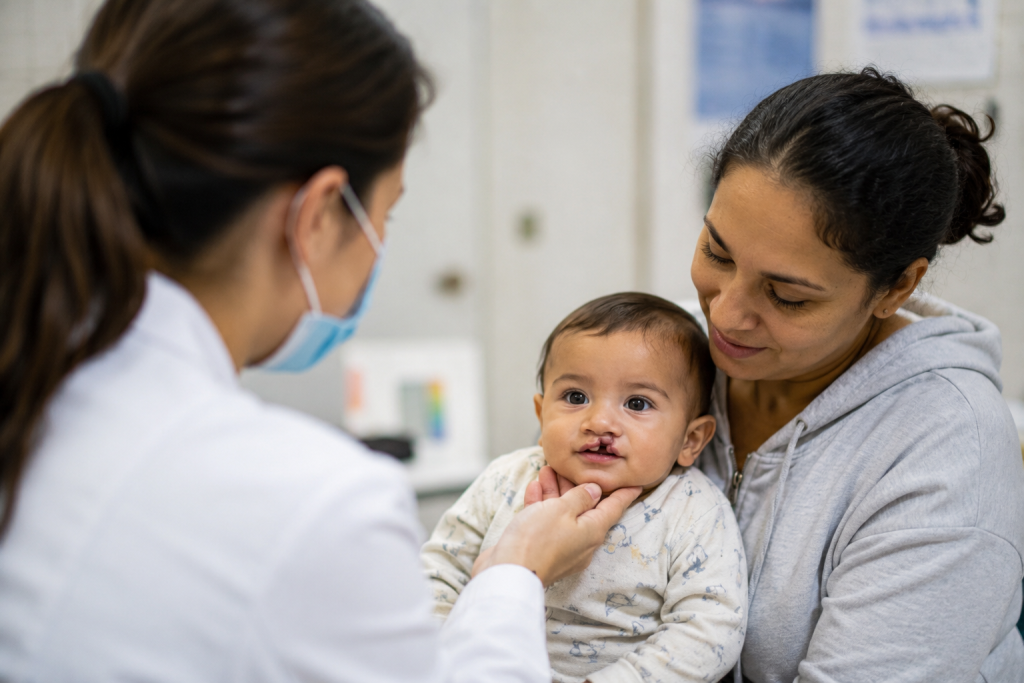
What Are Cleft Lip and Cleft Palate?
A cleft lip or cleft palate is a congenital condition that develops before birth, when parts of the face do not join together completely during early fetal development. Depending on how the tissues form, a baby may have a split in the upper lip, an opening in the roof of the mouth, or a combination of both.
The severity varies considerably. Some children are born with a very small gap that can be difficult to notice after surgical repair, while others have a more extensive opening involving the lip, gum, nose, and palate. Because every case is unique, treatment plans are tailored to each child’s specific needs.
How Does It Develop?
One of the most remarkable aspects of human development is that the face forms from several separate structures rather than a single piece of tissue. During the first weeks of pregnancy, these structures gradually grow toward one another and eventually fuse together.
If this process is interrupted or remains incomplete, a cleft forms. This usually happens between the fourth and tenth weeks of pregnancy, often before many women even realize they are expecting. For that reason, parents should not blame themselves. In most cases, nothing they did—or failed to do—caused the condition.
Why Does It Happen?
Despite significant progress in medical research, scientists have not identified a single cause responsible for every case. Instead, cleft lip and palate are believed to result from a combination of genetic susceptibility and environmental influences during early pregnancy.
A family history of clefts may increase the likelihood, while factors such as smoking, heavy alcohol consumption, uncontrolled diabetes, obesity, certain medications, and insufficient folic acid during early pregnancy have also been associated with a higher risk.
Even so, many babies are born with a cleft despite healthy pregnancies and the absence of any known risk factors. In these situations, doctors cannot point to one specific reason why the condition developed.
How Common Is It?
Cleft lip and cleft palate are among the most common congenital facial differences worldwide. On average, around one baby in every 700 births is affected, although the rate varies between different populations and ethnic groups.
Research has also shown that cleft lip, with or without a cleft palate, occurs more frequently in boys, while isolated cleft palate is seen slightly more often in girls.
Can It Be Diagnosed Before Birth?
Modern prenatal imaging has made early diagnosis possible in many cases. A detailed ultrasound performed during the second trimester can often detect a cleft lip before delivery, allowing parents to prepare and meet with specialists before the baby is born.
An isolated cleft palate, however, is more difficult to identify during pregnancy and is frequently diagnosed only after birth during the newborn examination.
Although receiving this news before delivery can be emotionally challenging, prenatal diagnosis gives families valuable time to understand the condition and plan the medical care their child will need.
The First Challenges After Birth
One of the earliest concerns is feeding. Babies with a cleft palate may struggle to create the suction needed for normal breastfeeding or bottle feeding, making mealtimes longer and more tiring.
Fortunately, specially designed bottles and feeding systems have transformed the care of these infants. With guidance from pediatricians and lactation specialists, many babies are able to receive breast milk while ensuring they continue to grow and develop normally.
More Than a Cosmetic Difference
Although the visible appearance often attracts the most attention, a cleft lip or palate affects much more than facial aesthetics.
Children may experience repeated middle ear infections, temporary hearing difficulties, delayed speech development, dental problems, and changes in jaw growth. These challenges are the reason treatment involves much more than surgery alone. Regular monitoring by multiple specialists helps identify and manage these issues before they become long-term complications.
A Carefully Planned Treatment Journey
Treatment usually begins within the first year of life and continues throughout childhood as the face grows.
The first procedure typically repairs the lip during early infancy, while surgery to close the palate is often performed before speech development is significantly affected. As children grow older, some may require orthodontic treatment, dental care, bone grafting, or additional reconstructive procedures to improve both appearance and function.
Each stage is carefully timed to support healthy growth while minimizing future complications.
Recovery Involves an Entire Medical Team
Successful treatment depends on far more than surgery. Children are often cared for by a multidisciplinary team that includes pediatricians, plastic or maxillofacial surgeons, ear, nose and throat specialists, orthodontists, dentists, speech-language pathologists, audiologists, psychologists, and specialized nurses.
Speech therapy plays a particularly important role, helping children develop clear pronunciation and effective communication skills. At the same time, hearing assessments and orthodontic care ensure that other aspects of development remain on track.
Emotional Well-Being Matters Too
The medical journey is only one part of the story. Growing up with visible differences, even temporary ones, can sometimes affect a child’s confidence and emotional well-being.
Support from parents, teachers, healthcare professionals, and peers is essential. Encouragingly, increased public awareness and organizations dedicated to children with cleft conditions have helped reduce stigma and promote greater acceptance. Today, many children who once required multiple surgeries grow into confident adults whose condition is barely noticeable.
Looking Toward the Future
Researchers continue to study the genes involved in facial development while exploring how environmental factors may influence pregnancy. At the same time, reconstructive techniques have become increasingly sophisticated, producing better cosmetic and functional outcomes than ever before.
The combination of earlier diagnosis, refined surgical methods, and comprehensive long-term care means that children born with cleft lip or palate have opportunities that previous generations could scarcely imagine.
Final Thoughts
Hearing that a newborn has a cleft lip or cleft palate can be overwhelming, but it is important to remember that this diagnosis does not determine a child’s future. Modern medicine has transformed what was once considered a life-altering condition into one that can often be treated with outstanding success.
For most families, the journey involves multiple appointments, dedicated healthcare professionals, and years of gradual progress. Yet the destination is often remarkably ordinary: a child who laughs, learns, plays, dreams, and grows into adulthood with the same possibilities as anyone else. In many cases, the only lasting reminder is a small scar that reflects not a limitation, but a story of resilience, medical innovation, and hope.