
We rarely think about urine.
We use the bathroom several times a day without realizing that behind that simple act is one of the most precise biological systems in the human body.
Urine is not just “wastewater.”
It’s the result of a highly sophisticated filtration process that keeps us alive.
Every minute, your kidneys are working quietly.
They filter your blood. Regulate fluids. Balance electrolytes. Remove toxins. Help control blood pressure. Maintain your body’s pH.
Without this process, waste products would quickly build up in the bloodstream.
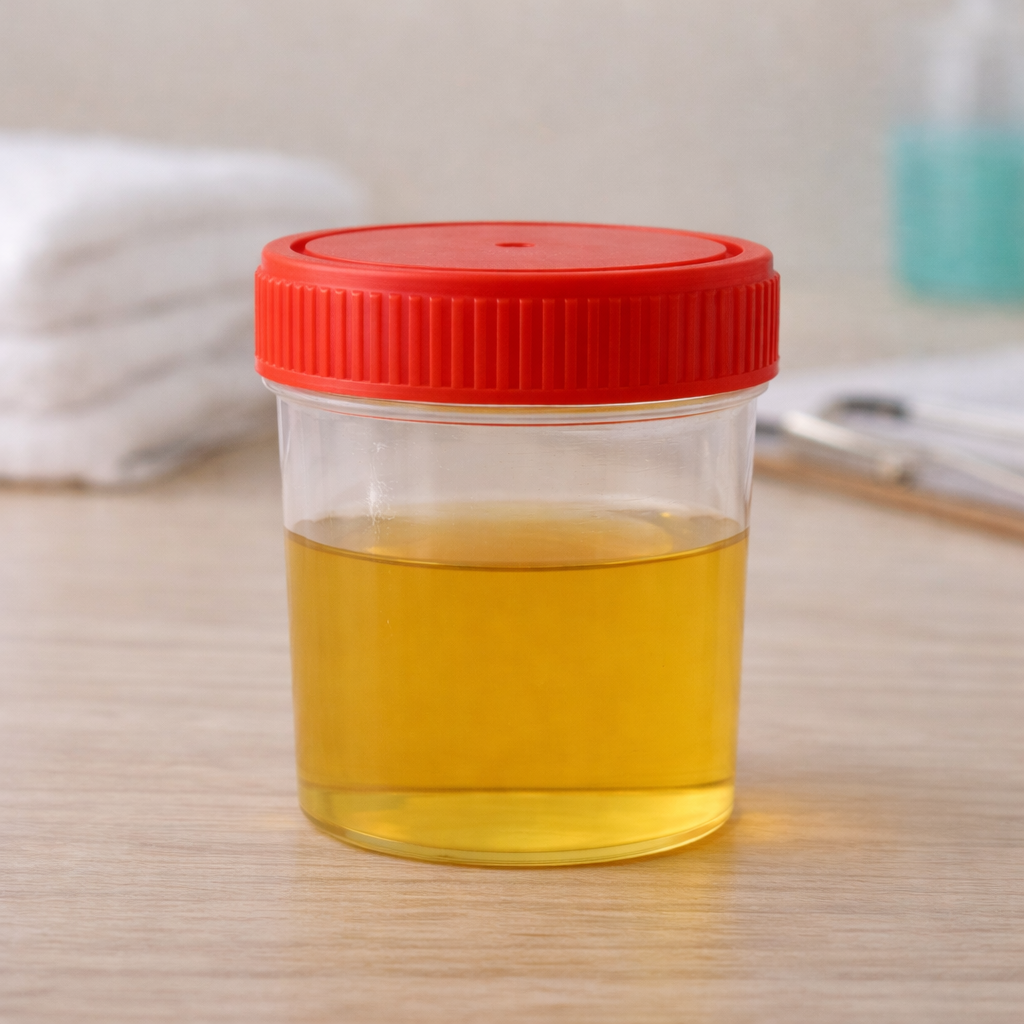
How Urine Is Formed
An average adult has about 1.3 gallons (5 liters) of blood circulating continuously.
Each day, your kidneys filter about 40–50 gallons (150–180 liters) of fluid from your blood.
Yet you only produce about 1–2 quarts (1–2 liters) of urine daily.
Why?
Because inside the kidneys are about a million microscopic units called nephrons, which carefully decide what to keep and what to eliminate.
The process happens in three steps:
- Filtration – Fluid is filtered from the blood.
- Reabsorption – About 99% of water and useful substances are reabsorbed back into the body.
- Excretion – What remains includes:
- Urea
- Creatinine
- Uric acid
- Excess salts
- Metabolized medications
- Hormones being cleared
That final fluid becomes urine, which travels to the bladder for storage.
How Often Is Normal?
Adults
- 1–2 quarts per day
- 4–8 bathroom trips daily
- Every 3–4 hours is typical
Older Adults
- More frequent urination
- Reduced bladder capacity
- More nighttime trips (nocturia)
Women
- Shorter urethra → higher UTI risk
- Increased frequency during pregnancy
Men
- After age 50, prostate enlargement can affect flow
- Weak or interrupted stream
- Feeling of incomplete emptying
Urination in Babies: A Key Health Indicator
For newborns and infants, wet diapers are a major sign of health.
Pediatricians often ask:
“How many wet diapers per day?”
After the first week of life:
- At least 6 wet diapers per day is expected.
For young infants:
- No urine for 6–8 hours may signal dehydration.
In babies, reduced urination can become concerning much faster than in adults.
Urine Color: A Simple Health Clue
- Clear → very hydrated
- Pale yellow → ideal
- Dark yellow → mild dehydration
- Orange → vitamins or medication
- Pink/red → possible blood (needs evaluation)
- Brown → possible liver issues or severe dehydration
- Cloudy with strong odor → possible infection
Your body gives visual feedback every day — if you pay attention.
How Long Can You Hold It?
The average adult bladder holds about 13–20 ounces (400–600 mL).
The urge to urinate usually starts at about 5–8 ounces (150–250 mL).
Most people can comfortably hold urine for 2–4 hours.
Holding it occasionally is not harmful.
But regularly delaying urination may increase the risk of:
- Urinary tract infections
- Bladder dysfunction
- Urinary retention
- Pelvic discomfort
In children, especially at school, frequent holding can increase UTI risk.
The Myth: “If You Hold It Too Long, Your Bladder Will Burst”
This is a common myth.
Your bladder does not simply “burst” because you held your urine too long.
The body has protective mechanisms:
- Increasing pain
- Stronger urgency
- Possible leakage
Bladder rupture is extremely rare and typically happens only with:
- Severe trauma (car accidents)
- Major injury
- Certain medical complications
- Severe intoxication combined with trauma
So no — your bladder won’t explode from sitting through a long meeting.
But regularly ignoring the urge isn’t healthy either.
When Someone Can’t Urinate
Urinary retention occurs when the bladder is full but urine cannot be released.
Common causes:
- Enlarged prostate
- Severe infection
- Kidney or bladder stones
- Certain medications
- Neurological conditions
- Post-surgical complications
Warning signs:
- Strong urge but no output
- Lower abdominal pain
- Swollen or tense bladder
When Is It Serious?
- 8–10 hours without urinating in a hydrated adult → unusual
- 12 hours → medical evaluation recommended
- Pain + inability to urinate → urgent care
In infants:
- 6 hours without a wet diaper → call a pediatric provider
Drinking Urine or Using It on Skin: Does It Help?
There are online trends promoting something called urine therapy — drinking urine or applying it to the skin as a “natural detox.”
What does urine contain?
About 95% water.
The remaining 5% includes substances your body specifically decided to eliminate.
There is no reliable scientific evidence that drinking urine:
- Detoxifies the body
- Boosts immunity
- Cures disease
- Improves health
In dermatology, creams may contain synthetic purified urea, which can help moisturize skin.
But urine itself is not purified urea. It’s a biological mixture containing metabolic waste.
Applying urine to skin:
- Has no proven benefit
- May cause irritation
- May introduce bacteria
Your body does not create a healing elixir and then discard it.
It removes what it no longer needs.
Why Urine Is Essential for Life
Without urine production:
- Waste would accumulate
- Electrolytes would become imbalanced
- Blood pressure would destabilize
- Survival would not be possible
Urine is the end result of one of the body’s most sophisticated regulatory systems.
Final Thoughts
Urine may seem ordinary.
But it’s one of the clearest daily indicators of health.
It tells a story about:
- Kidney function
- Hydration
- Hormones
- Age-related changes
- Overall balance
Sometimes health begins with simple awareness:
A glass of water at the right time.
A wet diaper in a newborn.
A color you notice.
A symptom you don’t ignore.
Your body speaks every day.
Urination is one of its quiet signals.