
Some stories don’t begin with hope.
They begin with a decision that could have changed everything.
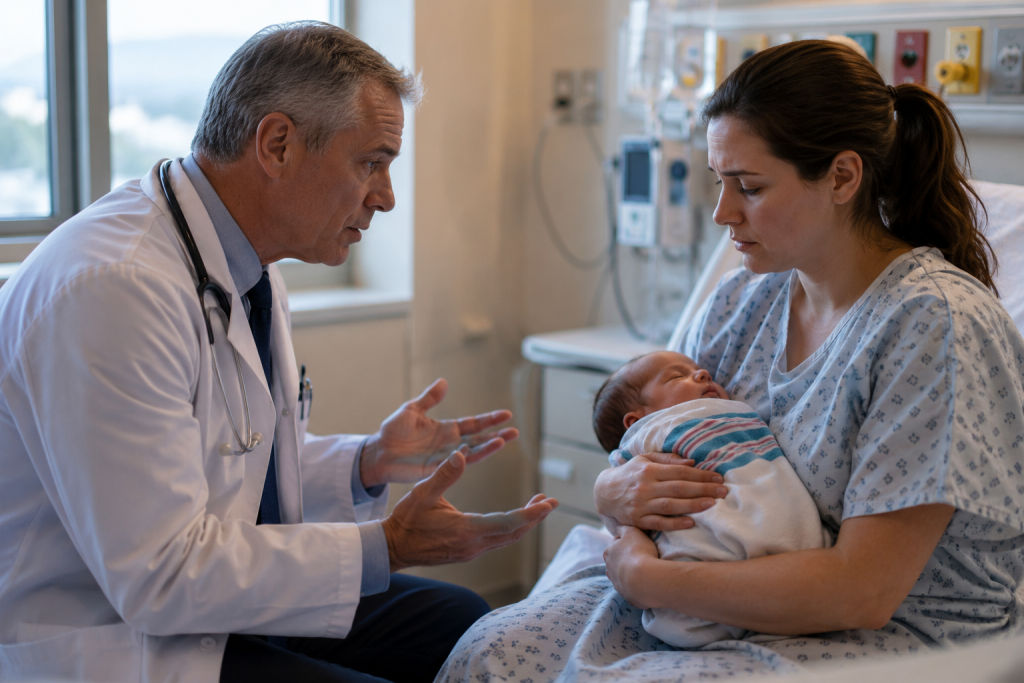
When Libbi Kakon was born deaf, the first advice her mother received wasn’t about treatment or support. Instead, she was told that her daughter would be better off in an institution and that the family should move on with their lives.
It is difficult to imagine hearing those words today.
But for many families several decades ago, recommendations like these were not uncommon.
Her mother listened carefully.
Then she picked up her baby, walked out of the hospital, and chose a different future.
A Different Time, A Different Mindset
Modern medicine has transformed the lives of people born with hearing loss, but the world Libbi entered was very different.
Throughout much of the twentieth century, children with disabilities were frequently underestimated from the moment they were born. In many countries, doctors believed institutional care was the most practical solution for children with significant physical or developmental disabilities.
Hearing loss was often misunderstood. Many assumed a deaf child would never communicate effectively, live independently, or build a successful future.
History would prove those assumptions wrong.
Growing Up in a World That Didn’t Understand
In an interview with Living Lchaim, Libbi Kakon recalls that families sometimes hid children with disabilities from public view because they feared judgment from neighbors or their community.
Not every family made that choice, but the stigma surrounding disability was powerful. Some children rarely left home, while others spent their childhoods in residential institutions rather than with their families.
These experiences were not isolated stories. Historians have documented how social attitudes toward disability often led to exclusion instead of inclusion throughout much of the last century.
One Mother’s Quiet Decision
Libbi’s mother had no guarantee that life would be easy.
She had no roadmap showing what her daughter might accomplish.
What she did know was that she wasn’t prepared to let someone else decide her child’s future.
She chose to raise Libbi at home, support her education, and give her every opportunity available, even when resources for deaf children were far more limited than they are today.
Looking back, that choice seems obvious.
At the time, it required courage.
A Life No One Expected
The little girl who was once seen as having almost no future went on to build one that inspired countless others.
Libbi Kakon married, raised a family, and became a respected advocate within the deaf community.
Together with her husband, Rabbi Eliezer Kakon, she helped develop educational programs and a yeshiva serving deaf and hard-of-hearing students, creating opportunities that had been almost unimaginable for previous generations.
Her story became a reminder that a diagnosis at birth cannot predict the course of an entire life.
How Much Has Changed
Today, newborn hearing screening allows hearing loss to be detected within days of birth. Hearing aids, cochlear implants, speech therapy, sign language, and inclusive education have transformed possibilities for children who are deaf or hard of hearing.
Society has changed as well.
While challenges and prejudice have not disappeared completely, attitudes toward disability are dramatically different from those that existed when Libbi was born.
More families now grow up hearing a message of possibility instead of limitation.
Sometimes Everything Changes Because One Person Refuses to Give Up
Libbi Kakon’s story isn’t remarkable simply because she was born deaf.
It is remarkable because someone refused to believe that a single diagnosis should define an entire life.
Had her mother accepted the advice she received in that hospital, the world might never have known the woman who would later encourage families, support deaf students, and help build opportunities for future generations.
Sometimes history doesn’t change because of a groundbreaking discovery.
Sometimes it changes because one parent quietly decides that their child’s future will not be written by someone else’s expectations.