
“I had my bile removed.”
It’s a phrase many people use after gallbladder surgery, but medically, it isn’t accurate. Although it has become common in everyday conversation, your bile is never actually removed.
What surgeons remove is the gallbladder—a small organ that stores bile. Your liver continues producing bile every single day, even after surgery.
Understanding the difference between bile and the gallbladder helps explain how digestion works, why people can live perfectly well without a gallbladder, and why delaying treatment for certain gallbladder problems can sometimes lead to serious complications.
Bile and the Gallbladder Are Not the Same Thing
The confusion is understandable because the terms are often used interchangeably, even though they refer to completely different parts of the digestive system.
Bile is a digestive fluid made continuously by the liver. An average adult produces roughly half a liter to nearly one liter of bile every day.
It contains bile salts, cholesterol, bilirubin, phospholipids, water, and other compounds that help break down dietary fats. Bile also allows the body to absorb fat-soluble vitamins such as vitamins A, D, E, and K.
The gallbladder, on the other hand, is a small pear-shaped organ located beneath the liver.
Its job is not to produce bile but to store and concentrate it between meals. When you eat—especially foods rich in fat—the gallbladder contracts and releases bile into the small intestine to aid digestion.
A simple way to remember the difference is this:
- The liver is the factory.
- Bile is the product.
- The gallbladder is the storage tank.
What Happens After the Gallbladder Is Removed?
Many people assume that removing the gallbladder means the body stops producing bile. Fortunately, that’s not how it works.
The liver continues making bile just as it always has. The only difference is that bile no longer has a storage reservoir. Instead, it flows directly from the liver into the small intestine through the bile ducts.
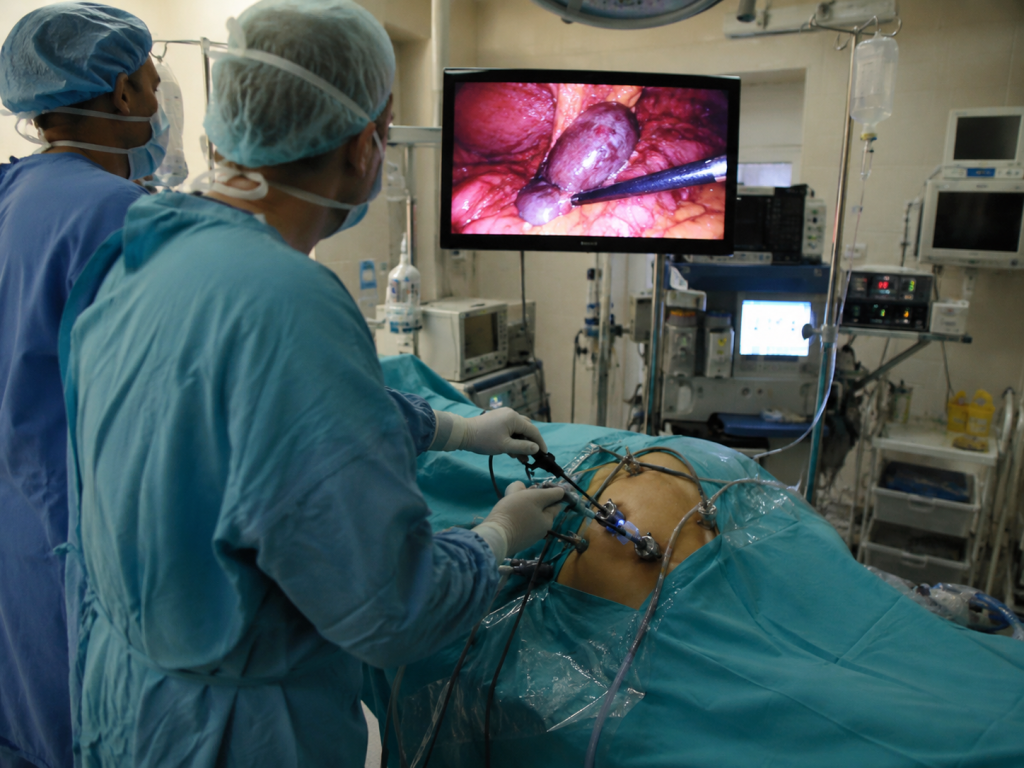
Because of this, saying someone has had their “bile removed” isn’t medically correct. The correct description is that they have had their gallbladder removed, a procedure known as a cholecystectomy.
Why Do Gallstones Form?
The most common reason for gallbladder surgery is the development of gallstones.
Gallstones form when substances found in bile—most commonly cholesterol or bile pigments—begin to crystallize and gradually harden into stones.
Several factors increase the risk, including:
- Being female
- Age over 40
- Obesity
- Diabetes
- Pregnancy
- Rapid weight loss
- A family history of gallstones
However, gallstones can also develop in younger, otherwise healthy individuals with no obvious risk factors.
Does Every Gallstone Require Surgery?
Not necessarily.
Many people discover they have gallstones during an ultrasound performed for an unrelated reason. If the stones aren’t causing pain or other symptoms, surgery is often unnecessary.
Doctors usually recommend monitoring these cases rather than immediate treatment.
Surgery becomes more likely when gallstones trigger repeated attacks, inflammation, or other complications.
When Is Gallbladder Removal Recommended?
Gallbladder removal is generally advised when the risks of leaving the diseased organ in place outweigh the risks of surgery.
Common reasons include:
- Recurrent biliary colic
- Acute gallbladder inflammation (cholecystitis)
- Gallstones blocking the bile ducts
- Gallstone-related pancreatitis
- Certain gallbladder polyps with cancer risk
- A calcified (“porcelain”) gallbladder
- Severe abdominal trauma causing the gallbladder to rupture or tear
Traumatic injuries deserve special attention. A damaged gallbladder can leak bile into the abdominal cavity, potentially leading to life-threatening inflammation and infection that require emergency surgery.
What Can Happen If Surgery Is Delayed?
Many people try to avoid surgery for months or even years, especially if the pain comes and goes.
Unfortunately, a diseased gallbladder doesn’t always remain stable. In some patients, complications become more likely over time.
Possible complications include:
Acute cholecystitis
The gallbladder becomes inflamed, often causing severe pain, fever, nausea, and vomiting. Emergency treatment may be required.
Blocked bile ducts
A gallstone can become lodged in a bile duct, preventing bile from draining properly. This may lead to jaundice, dark urine, pale stools, and infection.
Acute biliary pancreatitis
If a gallstone blocks the area where the bile duct and pancreatic duct meet, it can trigger inflammation of the pancreas.
While some cases are mild, severe pancreatitis can become life-threatening and may require intensive care.
Gallbladder perforation
An inflamed gallbladder can occasionally rupture, allowing bile and bacteria to spill into the abdominal cavity and cause peritonitis, a medical emergency.
Sepsis
If a severe infection spreads into the bloodstream, it can result in sepsis, a life-threatening condition requiring urgent treatment.
It’s important to remember that these complications do not occur in everyone with gallstones. Many people remain symptom-free for years. However, once symptoms become frequent or complications develop, delaying treatment can significantly increase the risks.
What Does a Gallbladder Attack Feel Like?
Gallbladder pain often differs from ordinary indigestion.
It typically develops in the upper right side of the abdomen or in the center of the upper abdomen. The pain may spread to the right shoulder or between the shoulder blades and often begins after eating a fatty meal.
An attack may last anywhere from 30 minutes to several hours.
If the pain is persistent, accompanied by fever, jaundice, repeated vomiting, or severe abdominal tenderness, prompt medical evaluation is recommended.
Can You Live Normally Without a Gallbladder?
For most people, the answer is yes.
The digestive system usually adapts well after surgery. During the first few weeks, some patients experience bloating, loose stools, or difficulty digesting large amounts of fatty food.
These symptoms often improve as the body adjusts to the continuous flow of bile.
Most people eventually return to a normal lifestyle without major dietary restrictions.
Common Myths About Bile and the Gallbladder
“If my gallbladder is removed, I won’t have bile anymore.”
False. The liver keeps producing bile throughout your life.
“You’ll never be able to eat fatty foods again.”
Not true. While a temporary low-fat diet is often recommended after surgery, most people gradually return to a balanced diet.
“Everyone with gallstones needs surgery.”
False. Many symptom-free gallstones require only observation rather than immediate treatment.
“Bile and the gallbladder are the same thing.”
This is probably the most widespread misconception. Bile is a digestive fluid, while the gallbladder is simply the organ that stores it.
The Bottom Line
Although people often say they have had their “bile removed,” the expression isn’t medically accurate.
Bile is an essential digestive fluid produced continuously by the liver. The gallbladder is merely the organ that stores and concentrates that fluid until it’s needed.
Gallbladder removal is one of the most commonly performed surgical procedures worldwide and is generally recommended when symptoms or complications begin to outweigh the benefits of keeping the organ. Thanks to the liver’s ongoing production of bile, most patients recover well and go on to live completely normal lives.
Knowing the difference between bile and the gallbladder may seem like a small detail, but it’s one that clears up a surprisingly common misunderstanding—and could help people better understand when gallbladder symptoms should not be ignored.