
Most people think of bacterial infections as something that can be treated with a course of antibiotics and a few days of rest. In extremely rare situations, however, an infection can spread through the bloodstream, reach the heart, and become life-threatening.
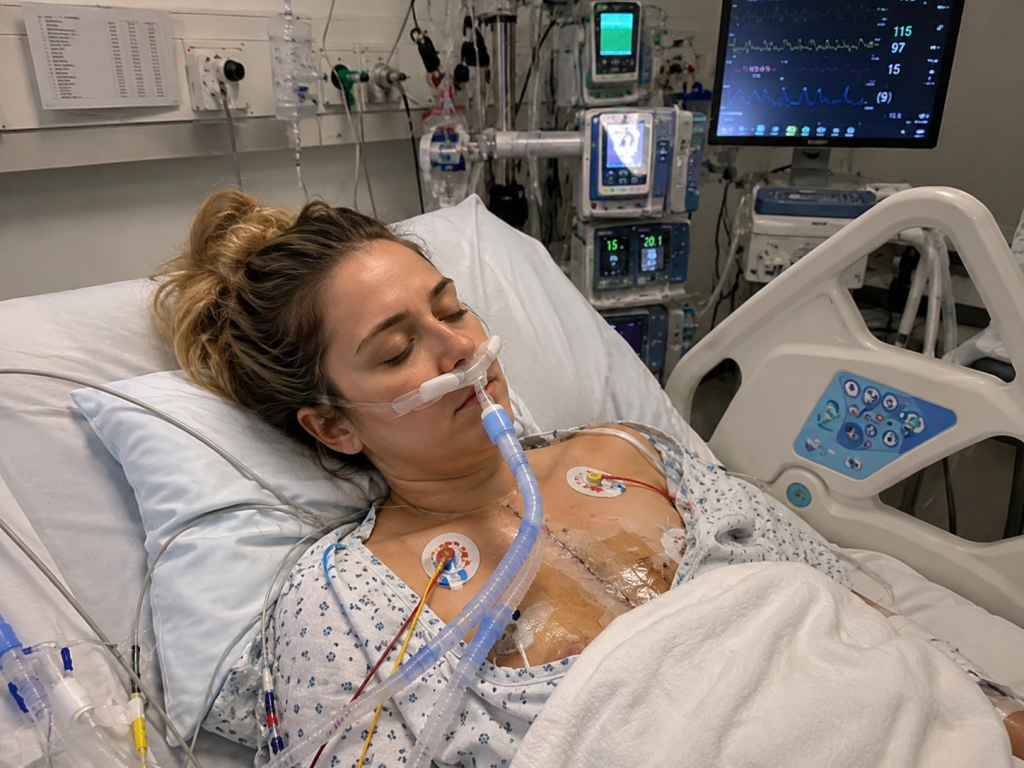
That is what happened to Australian content creator Leah Jay Ramsey. During her pregnancy, she developed a severe heart infection that progressed so rapidly doctors had no choice but to perform open-heart surgery. To repair the damage, they temporarily stopped her heart for around 80 minutes.
Although the operation saved her life, the family’s journey ended in heartbreaking loss when their baby daughter died shortly after birth.
Beyond the emotional story, Leah’s experience highlights an important medical condition that many people have never heard of: infective endocarditis.
When a Common Infection Reaches the Heart
Infective endocarditis is an uncommon but potentially fatal disease in which bacteria or, less commonly, fungi infect the inner lining of the heart or its valves.
Under normal circumstances, the bloodstream does not contain harmful microorganisms. However, bacteria can sometimes enter the blood through infections, dental procedures, surgical interventions, intravenous catheters, or even small skin injuries.
Once in circulation, these microorganisms may attach to a damaged or vulnerable heart valve. They multiply, forming infected clumps known as vegetations that interfere with normal blood flow and can permanently damage the valve.
Pieces of these vegetations may also break away and travel to other organs, causing strokes, kidney damage, lung complications, or other serious problems.
According to the European Society of Cardiology, infective endocarditis affects only a few people per 100,000 each year, yet it remains one of the most dangerous bacterial infections involving the heart.
Why Pregnancy Makes the Situation More Complicated
Pregnancy places significant demands on the cardiovascular system.
A pregnant woman’s blood volume increases dramatically, her heart pumps harder, and symptoms such as fatigue, shortness of breath, and reduced exercise tolerance are often considered normal.
Unfortunately, those same symptoms can also appear during serious heart infections.
Because of this overlap, diagnosing infective endocarditis during pregnancy can be especially challenging.
Doctors must also consider two patients instead of one. Every medication, imaging study, and surgical decision has the potential to affect both the mother and the unborn child.
Symptoms That Should Never Be Ignored
Early infective endocarditis rarely begins with dramatic warning signs.
Instead, patients often develop symptoms that resemble common viral illnesses or other less serious conditions, including:
- Persistent fever
- Chills
- Night sweats
- Extreme fatigue
- Muscle and joint pain
- Shortness of breath
- Unexplained weight loss
- A new or changing heart murmur
Without treatment, the infection can lead to heart failure, bloodstream infection, stroke, kidney injury, or multiple organ complications.
Why Doctors Sometimes Need to Stop the Heart
One detail of Leah’s story surprised many people: doctors intentionally stopped her heart during surgery.
Although this sounds alarming, it is a standard part of many open-heart procedures.
To repair or replace a damaged heart valve, surgeons need the heart to remain completely still. During the operation, a heart-lung machine temporarily takes over the work of pumping and oxygenating blood throughout the body.
This allows surgeons to safely remove infected tissue, repair damaged structures, or implant a replacement valve before restarting the heart.
In Leah’s case, the heart remained stopped for approximately 80 minutes while surgeons replaced the infected mitral valve.
Open-Heart Surgery During Pregnancy Is Exceptionally Rare
Cardiac surgery during pregnancy is considered a last resort.
Whenever possible, doctors postpone major procedures until after delivery. However, when the mother’s life is in immediate danger, delaying surgery may carry an even greater risk.
Although advances in cardiac surgery and intensive care have greatly improved maternal survival, operating while a woman is pregnant remains one of the most complex situations in cardiovascular medicine.
Specialized teams carefully monitor both mother and baby throughout the procedure, balancing the need to save the mother’s life while minimizing risks to the fetus.
Recovery Is Only the Beginning
Surviving open-heart surgery is not the end of the journey.
Patients recovering from a sternotomy usually need several months before the breastbone heals completely. Daily activities become challenging, lifting restrictions must be followed, and cardiac rehabilitation often plays an important role in recovery.
Many patients also require long-term follow-up, repeat heart imaging, and medications depending on the type of valve that was implanted.
For someone recovering while pregnant, the physical and emotional challenges can be even greater.
A Story That Ended in Heartbreak
Despite the successful surgery, Leah and her husband later shared devastating news.
Their daughter, Rowe, developed severe medical complications after birth and sadly passed away despite intensive medical care.
The couple has since spoken openly about their grief and the emotional impact of losing a child after months of fighting for both mother and baby’s survival.
Their story has touched millions of people around the world, not only because of the extraordinary medical circumstances but also because it reflects the resilience required to face unimaginable loss.
Social Media Doesn’t Always Show the Full Picture
After clips from Leah’s experience circulated online, some viewers focused on isolated moments taken out of context, leading to speculation about unrelated events involving her husband.
At the time of writing, there is no credible public evidence supporting claims of domestic violence or aggressive behavior. The comments appear to have been based on brief video snippets rather than verified information.
It serves as another reminder that viral social media clips often tell only part of a much larger story.
A Powerful Reminder About Rare Heart Infections
Most bacterial infections never progress beyond their original site and respond well to appropriate treatment. Infective endocarditis remains a rare condition, particularly in otherwise healthy individuals.
However, persistent fever, unexplained fatigue, or symptoms that continue to worsen should never be dismissed, especially in people with underlying heart disease or during pregnancy.
Leah Jay Ramsey’s experience is ultimately about far more than a viral video. It illustrates how quickly a serious infection can escalate, how remarkable modern cardiac surgery has become, and how fragile life can be even when medicine succeeds in overcoming extraordinary challenges.