
Eyebrows can change the entire balance of a face. A slightly higher arch, a darker tail, a fuller shape, or a stronger outline may seem like tiny adjustments, yet they can noticeably alter how the eyes and facial features are perceived.
That is exactly why many people hesitate before booking microblading. The concern is usually not whether the treatment can look beautiful. It often can. The real question is much simpler: what happens if you do not like the result on your own face?
Unlike regular makeup, microblading is not something you can remove at the end of the day. For anyone who is unsure about shape, color, or intensity, trying a temporary option first can be a much more sensible approach.
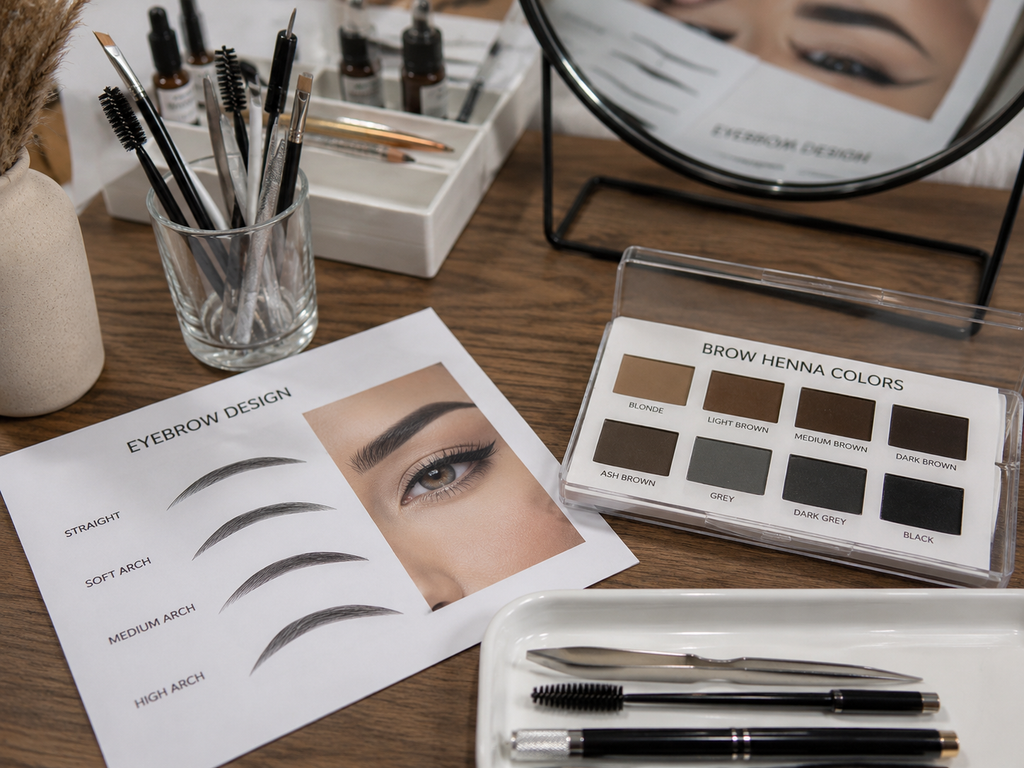
Microblading Is More Than a Long-Lasting Brow Pencil
Microblading is a cosmetic pigmentation technique designed to create the appearance of individual eyebrow hairs. Very fine strokes are made in the skin and pigment is deposited into them, helping sparse areas look fuller and more defined.
When performed skillfully, the result can be subtle and realistic. However, the important distinction is that pigment is being placed into the skin rather than simply sitting on its surface.
Although microblading is frequently described as “semi-permanent,” that term can create unrealistic expectations. Pigment generally fades over time, but there is no universal point at which every trace will disappear.
How the color ages depends on several factors, including the pigment used, technique, depth of implantation, skin characteristics, sun exposure, skincare habits, and individual healing.
For that reason, it is better to think of microblading as a long-term cosmetic decision rather than a temporary beauty experiment.
What If You Do Not Like the Result?
This is where microblading differs dramatically from makeup, brow tint, or henna-style coloring.
Unwanted pigment cannot simply be washed away. Professional removal procedures are available, including certain laser treatments, but removal may take multiple sessions and complete clearance cannot always be guaranteed.
Pigments can also change appearance as they fade. Depending on their composition and how they interact with the skin, residual shades may become warmer, cooler, grayer, reddish, or otherwise different from the original color.
This does not mean microblading should be avoided. It simply means that “it will eventually disappear” should never be the main reason someone feels comfortable proceeding.
A Temporary Brow Makeover Can Be a Useful Test
Before committing to pigmentation, it can be surprisingly helpful to wear the proposed brow shape temporarily.
A fine brow pencil or hair-stroke pen is the easiest starting point. Instead of looking at the result for five minutes in front of a mirror, wear the shape for several days.
Look at it in daylight. Take photographs. See how it looks with makeup and without makeup. Notice whether you still like the thickness and arch once the novelty has worn off.
If you want something that lasts longer than daily makeup but remains temporary, professional brow tinting or a service commonly marketed as brow henna may be worth considering.
What Exactly Are “Henna Brows”?
The term can be slightly misleading because products sold or used as brow henna are not necessarily identical to traditional pure henna.
Professional brow-coloring formulas vary widely. Depending on the product, they may contain plant-derived dyes as well as additional coloring agents and other ingredients.
The effect is usually different from standard eyebrow tinting because many brow-henna products are designed to color not only the hairs but also the skin underneath them for a short period.
That temporary stain can make gaps look less visible and create the impression of a fuller, more structured brow.
Because the color is not implanted into the skin, it gradually fades rather than remaining for years.
How Long Does Brow Henna Last?
There is no exact duration that applies to everyone.
The skin stain typically disappears much sooner than the color on the eyebrow hairs. How quickly it fades depends on the specific product, skin type, cleansing routine, exfoliation, skincare ingredients, sweating, and other everyday factors.
Oily skin, for example, may lose the skin stain relatively quickly, while the hair itself can remain visibly tinted for considerably longer.
This temporary nature is precisely what makes brow coloring useful for someone considering a more permanent procedure.
It allows you to answer an important question before doing anything difficult to reverse: do you actually like yourself with stronger, more defined eyebrows?
Brow Henna and Regular Brow Tint Are Not Quite the Same
Traditional eyebrow tint is primarily intended to darken existing hairs.
This can make a surprisingly large difference for people whose brows contain many pale or fine hairs. Once those hairs become visible, the eyebrows may appear fuller even though no new hairs have been added.
Henna-style brow treatments often create a stronger temporary stain on the skin as well, which can give the brow a more filled-in appearance.
Neither treatment truly recreates microblading. Microblading aims to imitate individual hairs, whereas skin-staining products usually create more of a shaded or filled effect.
Still, temporary coloring can be extremely useful for deciding whether you prefer a stronger brow overall.
Can Brow Henna Cause an Allergic Reaction?
Yes.
One common misconception is that a product described as “natural” cannot cause an allergic reaction. That is not true.
Cosmetic coloring products may contain ingredients capable of causing irritation or allergic contact dermatitis. One particularly well-known sensitizer associated with some hair-coloring products is para-phenylenediamine, commonly called PPD.
So-called “black henna” products deserve particular caution because some may contain PPD to create a darker, faster-developing color.
Possible reactions can include itching, redness, swelling, burning, or blistering. More serious allergic reactions are uncommon but possible.
For this reason, it is worth asking exactly which product a salon uses and following the manufacturer’s instructions regarding allergy or sensitivity testing before treatment.
A product being tolerated once also does not guarantee that a reaction can never occur in the future, because sensitivities may develop over time.
Where Does Brow Lamination Fit In?
Brow lamination solves a different problem.
Rather than adding pigment to the skin, it temporarily changes the direction in which eyebrow hairs sit. This can make the brows appear more orderly, lifted, and sometimes visually fuller.
For someone who already has plenty of eyebrow hair but struggles with hairs growing downward, crossing one another, or sitting unevenly, lamination may produce enough improvement that microblading is unnecessary.
It can also be combined with professional shaping or tinting for a more polished result.
The Shape Matters More Than the Trend
Beauty trends change constantly.
There have been decades dominated by extremely thin eyebrows and others in which thick, highly sculpted brows became the ideal. What looks fashionable today may look dated several years from now.
Your facial structure, however, should remain the starting point.
A skilled brow professional should consider your existing hair pattern, bone structure, natural asymmetry, eye position, and overall facial proportions rather than applying the same eyebrow template to every client.
Before any significant amount of hair is removed or any pigment is placed into the skin, you should be able to see and approve the proposed shape.
If you look at the outline and feel uncertain, there is no reason to continue merely because you have already booked the appointment.
When Can Microblading Be a Good Choice?
Microblading can be particularly useful for people with noticeably sparse brows, persistent gaps, or areas where natural hairs are limited.
It may also suit someone who already knows exactly what brow shape and intensity they prefer and understands that the pigment may remain visible for a long time.
The key distinction is between wanting a long-term cosmetic solution and simply being curious about how fuller eyebrows might look.
If you are still experimenting, start with something reversible.
Use makeup first. Wear the shape. Try professional shaping. Consider tinting or brow henna. See whether you still love the look after several weeks rather than immediately after leaving the salon.
Only then does it make sense to consider whether a more permanent option is worth it.
Sometimes the Best Brow Treatment Is the One You Realize You Do Not Need
Modern beauty treatments can be extremely effective, but availability does not automatically mean necessity.
Many people who assume they need microblading actually have enough natural eyebrow hair to achieve the look they want with careful shaping, a little color, or a few strategically drawn strokes.
Microblading can be a valuable option when it solves a genuine concern and is performed responsibly. But when there is a temporary way to test the same general aesthetic direction first, using it can make the eventual decision far easier.
When it comes to your face, having the option to look in the mirror and say, “I do not like this, I can remove it,” is a form of freedom worth keeping for as long as possible.