
For many people, buying land is not just another real estate transaction. It feels like the beginning of a new chapter. The future house already exists in their mind long before construction starts. They picture family dinners on the patio, children running through the yard, quiet mornings away from crowded cities, and finally having a place that truly feels like home.
That emotional attachment is exactly why many buyers overlook some of the most important checks before purchasing a lot.
Across the United States, there have been countless cases where buyers purchased land they believed was perfect, only to discover later that they could not legally build the type of home they wanted. Others learned that bringing electricity, water, gas, or sewer service to the property would cost tens of thousands of dollars. Some became trapped in legal disputes over property boundaries, while others found out too late that nearby developments would completely change the character of the area.
In construction and real estate, professionals often repeat the same warning: some of the most expensive mistakes happen before the foundation is ever poured.
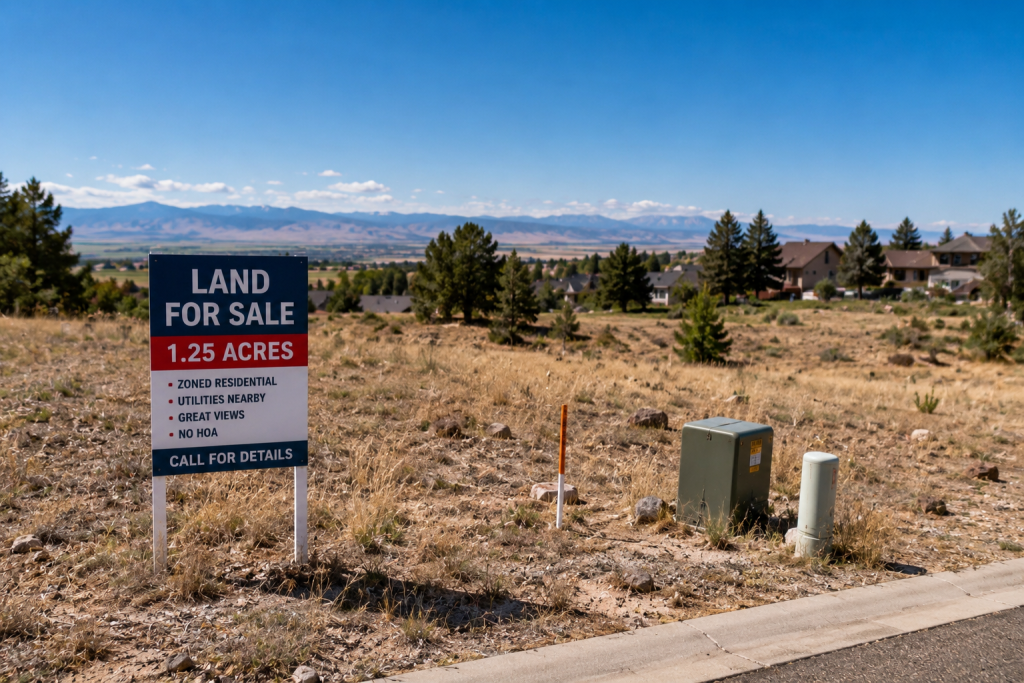
Many Buyers Fall in Love With the Property Before Checking the Facts
A beautiful view, a lower price, mature trees, or the promise of a “fast-growing area” can quickly create emotional attachment.
Behavioral experts often describe this as emotional pre-ownership. People mentally move into the property long before they actually own it. Once that happens, buyers become far less objective about potential risks and warning signs.
This is why experienced real estate professionals recommend treating every property like a business decision first and an emotional decision second.
The excitement should come after the verification process, not before it.
Zoning Laws Can Completely Change Your Plans
One of the most important things buyers should verify is local zoning and land-use regulations.
Many people assume that if nearby homes exist, they will automatically be allowed to build whatever they want. In reality, zoning rules in the United States can vary dramatically from one neighborhood to another, and sometimes even between adjacent parcels.
Local zoning ordinances may regulate:
- maximum building height;
- lot coverage;
- setbacks from neighbors;
- minimum square footage;
- multi-family restrictions;
- short-term rental limitations;
- detached structures;
- home businesses;
- and even architectural style requirements.
Some buyers purchase land expecting to build a large two-story home, only to discover height restrictions or setback requirements that make their plans impossible.
Others later learn that the property cannot legally support additional guest houses, rental units, or future expansions.
In many areas, zoning rules exist not only for aesthetics, but also for traffic management, infrastructure planning, fire safety, and population density control.
Utility Access Can Cost More Than Buyers Expect
One of the most common surprises involves utilities.
Real estate listings often use phrases like:
“utilities nearby”
or
“easy utility access.”
Those descriptions can sometimes be misleading.
Power lines, water connections, natural gas, and sewer infrastructure may still be hundreds of feet away from the actual property line. Extending utility service can become extremely expensive depending on terrain, permits, and local infrastructure.
In rural areas, buyers may also need:
- septic systems instead of public sewer;
- private wells instead of municipal water;
- propane instead of natural gas;
- or specialized drainage systems.
Septic approval is especially important in many parts of the United States. A property may appear buildable while failing soil or percolation tests required for septic installation.
Without proper wastewater approval, building permits may become impossible to obtain.
Property Boundaries Should Never Be Assumed
Many buyers trust existing fences, tree lines, or verbal explanations from sellers.
Surveyors strongly advise against that.
Property disputes are surprisingly common, especially in rural or older neighborhoods where boundaries may have shifted over time. A professional land survey confirms the exact legal boundaries of the parcel and can identify encroachments, easements, or overlapping claims.
In some cases, buyers discover after closing that driveways, sheds, fences, or even portions of neighboring structures extend onto the property.
Boundary disputes can become expensive legal battles that last for years.
Flood Zones and Environmental Risks Matter More Than Ever
In the United States, flood risk has become one of the biggest concerns for property buyers.
Many properties located in FEMA-designated flood zones require expensive flood insurance, stricter building requirements, or elevated construction methods.
Some buyers only learn about these restrictions after purchasing the property.
Environmental concerns may also include:
- wetlands restrictions;
- wildfire exposure;
- erosion risks;
- unstable soil;
- drainage problems;
- or protected environmental areas.
In some regions, environmental regulations can significantly limit where and how construction is allowed.
HOA Rules Can Affect Daily Life
In many American communities, especially suburban developments, Homeowners Associations (HOAs) play a major role.
Some buyers focus entirely on the house or land itself and fail to review HOA rules carefully.
Certain HOAs regulate:
- exterior paint colors;
- fence types;
- parking rules;
- landscaping;
- rental restrictions;
- RV storage;
- solar panels;
- and even holiday decorations.
Monthly HOA fees can also become substantial over time.
For some homeowners, these communities provide consistency and neighborhood maintenance. For others, the restrictions feel surprisingly limiting.
Easements and Title Issues Can Create Long-Term Problems
A title search is one of the most important legal protections during a land purchase.
It helps verify:
- ownership history;
- unpaid liens;
- easements;
- legal disputes;
- and restrictions tied to the property.
Easements are especially important because they may grant utility companies, neighbors, or municipalities legal access across portions of the land.
Some buyers only realize after closing that they cannot build in certain areas because underground utilities or access rights already exist.
Title insurance is commonly used in the United States to help protect buyers from hidden ownership or legal issues that may surface later.
The Land Beneath the Surface Matters as Much as the View
A property may look perfect while hiding serious construction challenges underground.
This is why soil evaluations and geotechnical studies can be extremely important, especially in areas with expansive clay, landslide risks, drainage problems, or unstable terrain.
The type of soil directly affects:
- foundation design;
- drainage requirements;
- structural stability;
- and long-term maintenance costs.
Construction professionals often say that a home’s future problems usually begin below ground level, long before cracks become visible inside the house.
Choosing the Right Land Shapes Decades of Your Life
A house can eventually be remodeled, expanded, or renovated.
The land itself cannot.
Its location, infrastructure, legal restrictions, environmental risks, sunlight exposure, and surrounding development will influence daily life for decades.
This is why experienced buyers, architects, surveyors, and contractors often recommend slowing down before purchasing land. A property that looks impressive during a quick visit may hide expensive complications, while a less glamorous lot may ultimately become the smarter long-term investment.