
For many people, leftover rice or pasta feels completely harmless.
A pot of rice left on the stove for a few hours, pasta forgotten in the kitchen overnight or yesterday’s leftovers reheated the next day are all things countless families have done for years without thinking twice about them.
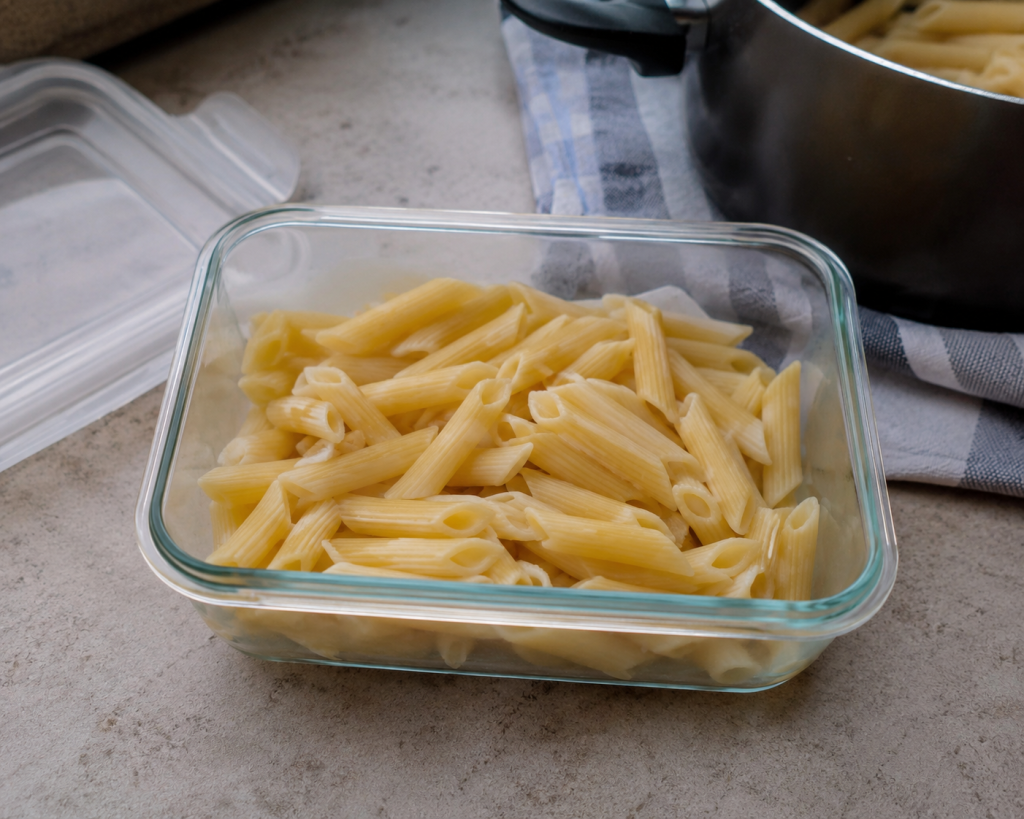
That familiarity is exactly why so many people are shocked when they discover that some serious food poisoning cases around the world have been linked not to spoiled meat or expired dairy products, but to ordinary cooked rice and pasta.
And the most surprising part?
Reheating the food does not always solve the problem.
Behind these cases is a little-known bacterium that food scientists and microbiologists have studied for decades because of its unusual ability to survive conditions that many people assume are safe.
The Bacteria That Can Survive Cooking
At the center of this story is Bacillus cereus food poisoning, a bacterium commonly found in soil, dust and the natural environment.
Because it exists so widely in nature, it can easily end up on:
- rice,
- pasta,
- grains,
- spices,
- vegetables,
- and many other foods before cooking even begins.
What makes Bacillus cereus particularly interesting to researchers is its ability to form spores.
Spores are essentially a survival mode. In this state, the bacterium becomes much more resistant to environmental stress, including heat.
That means boiling food may destroy many active bacteria while some spores remain alive.
For most people, the real danger begins afterward.
What Happens When Food Sits Out Too Long
Once cooked rice or pasta is left at room temperature for extended periods, surviving spores can reactivate.
The bacteria begin multiplying and, under the right conditions, may produce toxins.
Those toxins are the real issue.
Some of them can remain active even after the food is reheated later. In other words, once toxins have formed inside the food, warming it again may not make it completely safe.
This is why food safety specialists focus so heavily on rapid cooling and proper refrigeration rather than relying only on reheating.
The Temperature Range Experts Worry About Most
Food safety professionals often refer to something called the “danger zone,” the temperature range where bacteria can multiply quickly.
Generally, temperatures between roughly 5°C and 60°C create ideal conditions for bacterial growth.
This is exactly why a pot of rice cooling slowly on a stove can become problematic.
The food is no longer hot enough to suppress bacterial activity, yet not cold enough to slow growth effectively.
For bacteria, it becomes an almost perfect environment.
The longer food remains within that range, the greater the opportunity for microorganisms to multiply and produce toxins.
Why Rice Appears So Often in These Cases
Rice is one of the foods most commonly associated with Bacillus cereus food poisoning.
Part of the reason is practical. Rice is frequently cooked in large batches and then:
- left inside rice cookers,
- stored in warm pots,
- transported without refrigeration,
- or reheated multiple times.
Large containers also cool more slowly, allowing some portions of the food to stay warm long enough for bacteria to thrive.
This is one reason experts often recommend dividing leftovers into smaller portions before refrigerating them.
The Pasta Case That Shocked Millions Online
Although rice is mentioned most often, pasta can create similar risks when stored improperly.
One widely discussed case involved a college student in Belgium who died after eating pasta that had reportedly been cooked several days earlier and left unrefrigerated for a prolonged period before being consumed.
Investigators later linked the case to toxins associated with Bacillus cereus.
The story spread rapidly online because so many people recognized the same everyday habit in their own kitchens. Leaving leftovers out for “just a while” felt normal to countless readers.
To the public, the idea that ordinary pasta could become dangerous seemed unbelievable.
To microbiologists, however, the mechanism was already well understood.
Why Reheating Is Not Always Enough
One of the biggest misconceptions surrounding food safety is the belief that high heat fixes everything.
The important distinction is between bacteria and the toxins they may produce.
Reheating can destroy many active bacteria, but some toxins remain stable enough to survive ordinary cooking temperatures.
That is why prevention matters far more than trying to “rescue” food afterward.
Proper storage is often the difference between harmless leftovers and a potential food poisoning risk.
What Symptoms Can Look Like
Symptoms vary depending on the type and amount of toxin involved, but the most common effects include:
- nausea,
- vomiting,
- stomach cramps,
- diarrhea,
- weakness,
- dizziness,
- and general digestive distress.
In many situations, symptoms resolve without serious complications. However, vulnerable individuals such as children, older adults or people with certain health conditions may face greater risks.
The Myths That Continue to Spread
Several myths continue to circulate around leftover food:
- “If it smells fine, it’s safe.”
- “Reheating kills everything.”
- “Cooked rice doesn’t really spoil.”
- “Pasta lasts forever once boiled.”
The problem is that contaminated food does not always develop a strange smell, visible mold or obvious signs of spoilage.
Sometimes dangerous toxins can exist even when the food still appears completely normal.
What Food Safety Experts Recommend
Modern food safety guidelines are relatively straightforward:
- cool cooked food as quickly as possible,
- refrigerate leftovers within a short time after cooking,
- use smaller storage containers,
- avoid leaving food at room temperature for extended periods,
- and limit repeated reheating cycles.
Professional kitchens follow strict temperature-control procedures for exactly this reason. The risks associated with bacterial growth are extremely well known in the food industry.
Why These Stories Continue to Fascinate People
Part of the reason is psychological.
Rice and pasta feel safe, comforting and familiar. They are everyday foods eaten by billions of people across the world.
People rarely associate them with microbiology or hidden food risks.
And yet, that contrast is exactly what makes these stories so memorable. Something as ordinary as a forgotten container of rice can suddenly reveal an invisible world of bacteria, survival mechanisms and toxins operating quietly in the background of daily life.
Perhaps that is what unsettles people the most.
Not the idea that bacteria exist, but the realization that they continue to exist even in the most ordinary moments of our routines.