
For many people, the question appears almost instantly the moment they think about it: if millions of turkeys are raised every year around the world, why don’t we eat turkey eggs the same way we eat chicken eggs?
The internet has turned this curiosity into a viral mystery. Some people assumed turkey eggs must be unsafe. Others believed they taste terrible, contain harmful bacteria, or simply aren’t edible at all. In reality, none of those theories are true.
Turkey eggs are completely edible. Humans have eaten them for centuries in small farms and rural communities. The real explanation behind their absence from supermarkets has far more to do with biology, economics, and the way modern food production evolved over time.
How Chickens Became the Perfect Egg Producers
To understand why turkey eggs are so rare, it helps to look at how different birds were domesticated throughout history.
Chickens were gradually bred to become highly efficient egg producers. Over generations, farmers selected birds that matured quickly, required less food, and laid eggs consistently throughout the year.
Modern laying hens are remarkably productive animals. Depending on the breed, a single hen can produce well over 250 eggs annually, sometimes even more under commercial farming systems.
Turkeys followed a very different path.
Instead of focusing on egg production, humans primarily bred turkeys for meat. As industrial agriculture expanded during the twentieth century, turkey farming became heavily centered around body size, muscle growth, and rapid weight gain rather than reproductive output.
That decision shaped the entire industry.
Turkeys Lay Far Fewer Eggs Than Chickens
One of the biggest reasons turkey eggs never became commercially popular is simple mathematics.
A healthy chicken can lay close to one egg per day. Turkeys produce significantly fewer eggs, often around 80 to 100 per year depending on breed and conditions.
From a farming perspective, that difference is enormous.
Turkeys also take longer to mature before they begin laying. They consume more feed, require more space, and are generally more expensive to maintain than chickens. Every stage of production costs more money while yielding fewer eggs in return.
For large-scale food industries, efficiency matters. Even small increases in feed costs, housing, labor, or time can dramatically affect profitability when production reaches millions of animals.
Chicken eggs became dominant because they were simply cheaper and easier to produce in massive quantities.
Most Turkey Eggs Are Too Valuable to Be Sold as Food
Another major reason is that turkey eggs already have a different purpose inside the poultry industry.
Most fertilized turkey eggs are used to hatch future generations of birds destined for meat production. Economically, a turkey egg is often worth more as a future turkey than as a breakfast item.
Unlike the egg industry built around chickens, there was never a large commercial system designed specifically for producing turkey eggs for consumers. The supply remained limited, and without a large supply, widespread demand never truly developed.
Over time, turkey eggs became more of a curiosity than a standard grocery product.
What Turkey Eggs Actually Taste Like
People who have tried turkey eggs often describe them as richer versions of chicken eggs.
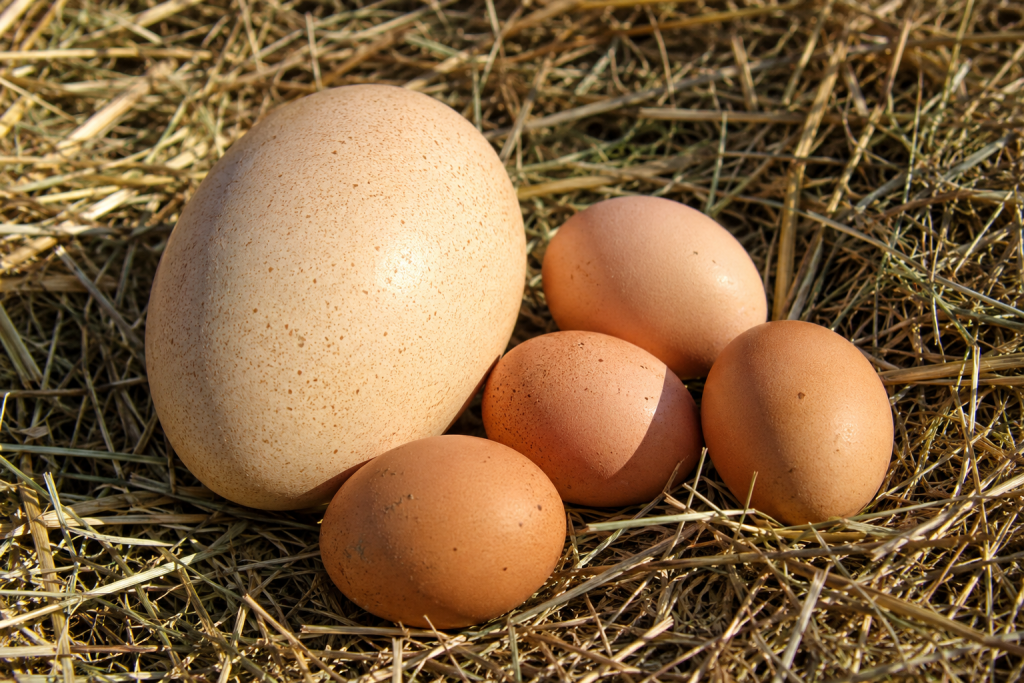
They tend to be slightly larger, with thicker shells and a higher yolk-to-white ratio. The flavor is usually described as creamier or more intense, though not radically different.
In cooked dishes, many people likely would not notice a major distinction unless they were directly comparing the two side by side.
Nutritionally, turkey eggs contain protein, fats, vitamins, and minerals similar to chicken eggs. Some analyses suggest slightly higher fat and cholesterol levels, but not enough to make them dramatically different from other edible eggs.
Why They Would Be Extremely Expensive
If turkey eggs were sold commercially on a large scale, they would likely cost several times more than chicken eggs.
The reasons add up quickly:
- lower egg production;
- higher feed consumption;
- larger housing requirements;
- slower reproduction cycles;
- limited commercial infrastructure.
There is also another important factor: consumer habits.
Most people simply never grew up eating turkey eggs, so there is little public demand for them. Restaurants rarely use them because the flavor difference is relatively small compared to the increase in cost.
That creates a self-reinforcing cycle. Farmers do not produce many turkey eggs because consumers are not asking for them, and consumers are not asking for them because they are rarely available.
The Viral Myths Around Turkey Eggs
As the topic spread online, countless myths appeared around it.
Some viral posts claimed turkey eggs are toxic. Others suggested humans cannot digest them properly or that they contain dangerous bacteria not found in chicken eggs.
There is no scientific evidence supporting these claims.
Like any egg, turkey eggs must be handled and cooked safely to reduce the risk of foodborne illness. The same general precautions used for chicken eggs apply here as well.
The real reason they are missing from grocery shelves is far less dramatic than social media headlines suggest. It is largely the result of economics, agricultural efficiency, and decades of selective breeding.
Why This Question Fascinates So Many People
Part of the reason this topic keeps going viral is psychological.
People encounter turkeys regularly, especially around holiday seasons, yet many have gone their entire lives without ever seeing a turkey egg in person. That contradiction creates the feeling that there must be a hidden explanation or forgotten secret behind it.
In reality, the answer is surprisingly practical.
Sometimes the strangest mysteries surrounding food and farming are not connected to danger or conspiracy at all. They are simply the outcome of centuries of human decisions focused on efficiency, cost, and large-scale food production.